 Newsinc24 Team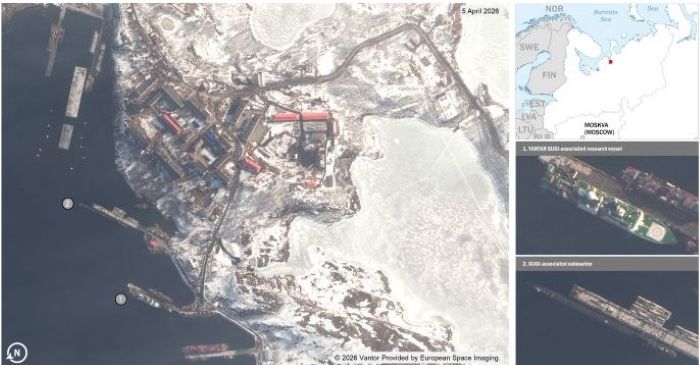
The UK and allies tracked a Russian attack submarine and two spy submarines loitering over critical undersea cables in the North Atlantic for a month before they retreated, Defence Secretary, John Healey has revealed. He said Vladimir Putin had sought to capitalise on the world being “distracted” by the Iran war and that he poses “the primary threat to UK security”. A British warship and aircraft were deployed to deter “malign” activity by Moscow in waters off the UK’s northern coast, the Defence Secretary said. Healey said: “In response to the Russian submarines, I can confirm that I deployed our armed forces to track and to deter any malign activity by these vessels. “A Royal Navy warship and Royal Air Force P-8 aircraft alongside allies ensured that the Russian submarines were monitored 24/7. Healey told a press conference in Downing Street on Thursday that in the past few weeks – while many eyes were trained on the Middle East crisis – the UK, in partnership with Norway and other allies, responded to “increased Russian activity” in the Atlantic north of the UK.This involved a Russian Akula-class nuclear-powered attack submarine and two specialist submarines from Russia’s ministry of defence deep sea research programme known as Gugi (Main Directorate of Deep-Sea Research), he said. “Those Gugi submarines have now left UK waters and headed back north.”
Today, UK Defense Secretary John Healey announced that Russia has been conducting covert undersea operations near its critical undersea infrastructure north of the nation in the last few months. According to Secretary Healey, the operation involved one Russian Akula-class attack… pic.twitter.com/fdvNzVgbKy
— OSINTdefender (@sentdefender) April 9, 2026
The submarines had been within the UK’s exclusive economic zone, which extends up to 200 nautical miles – about 230 miles – offshore, but not within Britain’s territorial waters, within 12 nautical miles (13.8 miles) from the coast, the Defence Secretary said. It was not the first time vessels from the Gugi fleet were “directed by President to conduct hybrid warfare activities” against the UK’s vital subsea infrastructure, Healey said. The UK and its Nato allies have become increasingly concerned about the risk Moscow poses to underwater cables and pipelines, amid heightened tensions following the invasion of Ukraine. Attacks on undersea infrastructure could cause major disruption to the financial and communications systems Britons rely on.

















Related Items
PM Modi calls for greater adoption of water-saving technologies
Bihar, Jharkhand sign Sone water-sharing pact
Uttarakhand: 7 killed as water, debris enter tunnel in Chamoli