Wendy Cutler
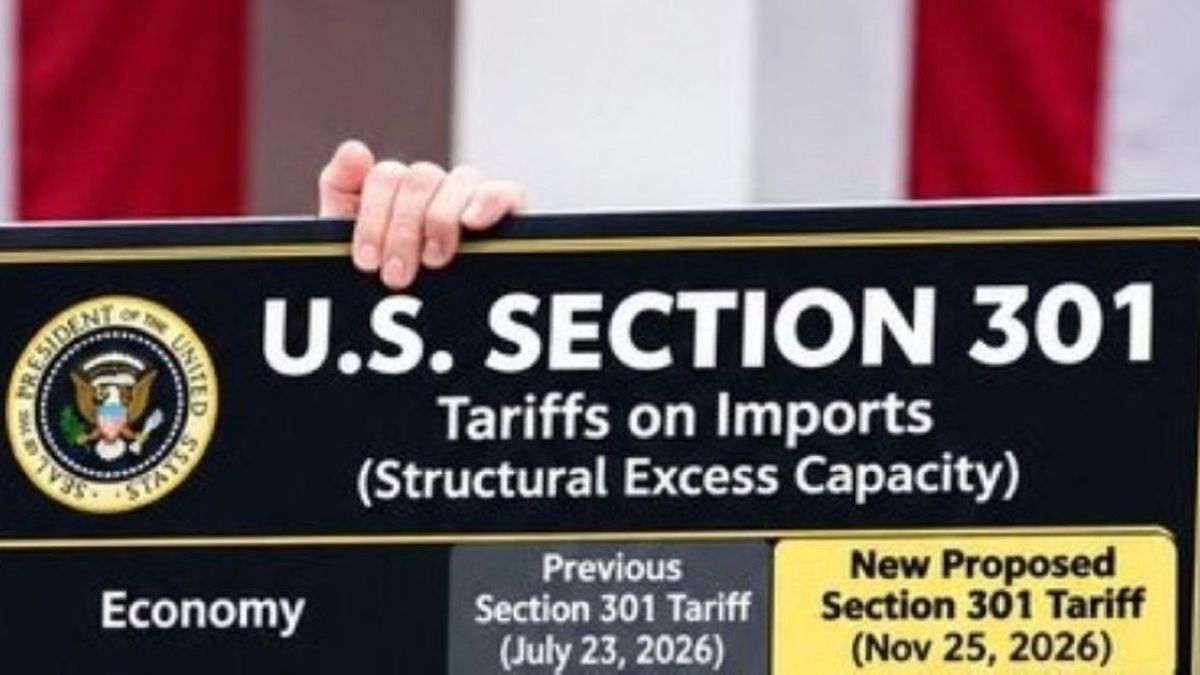
ASPI Senior Vice President Wendy Cutler, former Acting Deputy U.S. Trade Representative, analyzes the Office of the USTR's proposal to raise tariffs on goods from over a dozen economies, after it concluded its investigation into excess manufacturing capacity under Section 301.
Eight months after the launch of a Section 301 investigation on structural excess capacity, USTR has announced its findings — leading to tariff hikes for fourteen trading partners, including the E.U., China, India, and six Southeast Asian countries. In fact, the overwhelming majority of the targeted partners were Asian economies.
Looking for the best time to make this announcement, the Trump administration waited until after the midterm elections and last week's Trump-Xi meeting. This also gives them about a three-week cushion before the G20 convenes in Miami.
Partners have been waiting for this shoe to drop for some time. Many have publicly and privately pushed back in recent months, stressing that they are being wrongly accused of producing too much in selected sectors.
Many believe that China, not them, should be the target for U.S. action.
The biggest surprise from the announcement is that the tariff rates associated with the two Section 301s launched last March on forced labor and excess capacity will not be stacked. This clever approach allows for more flexibility on the rates for each individual investigation, avoiding certain constraints if they were to be added together. It also insulates USTR from an unfavorable legal ruling on its Section 301 forced labor tariffs.
Overnight, Beijing expressed its concerns with the new tariff proposals, denied that excess capacity is a real issue, yet remained vague on whether it would take measures in response.
While not happy, Beijing seems prepared to live with the new rates provided that they don't exceed 20%.
Of note, the U.S. indicated that it retains the flexibility to raise these tariffs if ongoing bilateral talks fail or China does not live up to its commitments. Clearly, the U.S. is using these tariffs as leverage to secure expected shipments of critical minerals and rare earths, and further purchases of U.S. agricultural goods.
(Wendy Cutler — Senior Vice President, ASPI, New York)