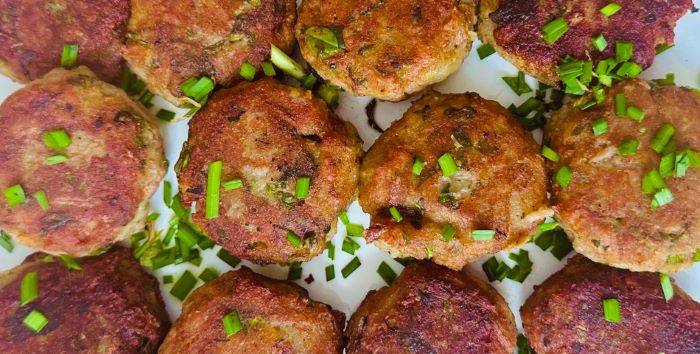
If there is ever a heaven on earth, it's here, it's here, it's here. Yes, we are talking about the Kashmir, which is not only beautiful but also is home to some delicious cuisine.
Kashmiri cooking developed through the ages as two great schools of culinary craftsmanship – Kashmiri Pandit and Wazwaan. While they both share a love for lamb dishes the basic difference between the two is that the Hindus used 'hing and curd' while the Muslims 'onions and garlic'.
Kashmir has the proud privilege of being one of the places where Saffron (known as Kong in Kashmiri) grows in the autumn. The purple coloured flowers with a unique sweet aroma are a beautiful sight. The orange stigmas of the saffron flower are used as flavouring and colouring agent in various recipes. A hundred kg of fresh flowers yield about 3 kilos of dehydrated stigmas, which constitute the finest and most expensive saffron called the Shahi Zaffran. The Saffron, as an herb is believed to have medicinal properties and used in many of dishes.
The spices used in Kashmiri cuisine are cinnamon, cardamom and cloves which add warmth and comfort to the gravies. Saunf (fennel powder) and Sounth (dry ginger powder) are an inherent part of Kashmiri cooking and add a unique flavour to each dish while the famous Kashmiri red chillies are mild in spice but generate a gorgeous red colour to the food.
Ver or Vadi is a unique, traditional spice mixture, the recipe of which is heavily guarded and handed down from the matriarch of the household to the daughters and daughters-in-law. It comes in the form of a thin, hard cake with a hole in its centre. Small amounts are broken off as needed, crumbled and then used to cook dishes giving them a recognizably Kashmiri flavour. Traditional recipes using Turnips (Gogji), Lotus stems (Nadru), white Radish (Mujih) are an added attraction when used in special dishes. Mustard Oil, which is the medium of cooking all the dishes is considered to be good cholesterol oil, the use of which lends a tasty, pungent note to the food while generous use of milk, ghee and curds makes the food healthy in substance. Mawal, also known as cockscomb flower is traditionally added to some of the dishes to naturally get a deep red colour. It is added in the end by boiling the flower with equal quantity of water.
The exquisite taste comes from the rituals and marvels of letting the dishes cook in their own juices enriched by distinctive flavours. Curd and Milk play an important part in the cuisine and are used in vegetarian as well as meat and chicken dishes and even in certain kababs giving them a creamy consistency.
The staple diet of every Kashmiri is Rice, which goes well with all the dishes. Rich and redolent with the flavour of spices sourced from Kashmir – saffron, aniseed, dry ginger, cinnamon, cardamom, cloves, etc., the mouth watering vegetarian and non-vegetarian Kashmiri dishes can satisfy many a palate.
(Author Sunil Mattoo has Kashmiri Cuisine Restaurant KongPoush. The USP at KongPoush (meaning Saffron Flower) is the extensive treasure trove of exotic Kashmiri cuisine to savour. KongPoush have managed to retain the flavour (without using any artificial food colours) of a meal straight from the valley specially created for the people of Mumbai.)

Related Posts
Rajasthan HC flags Gen Z, Alpha issues, bans junk food near schools
Goyal eyes new avenues for Indian agri-food exports to Singapore
India's retail inflation rises to 4.45% in July on food prices