 Veerendra Bhargava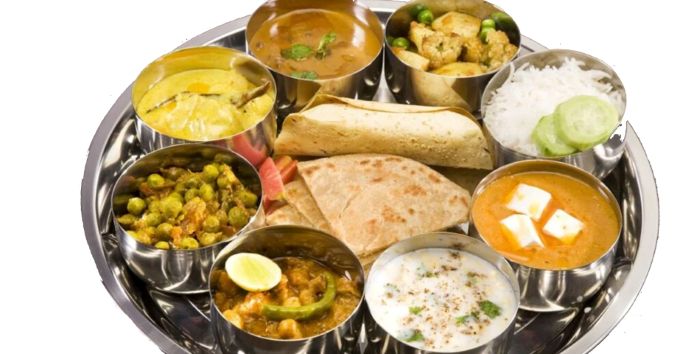
Food in India has never been just about feeding the body—it’s been about nurturing the spirit, connecting with nature, and living in balance. Across millennia, Indian cuisine evolved not as a random mix of flavors, but as a living science rooted in climate, geography, and culture.At the heart of this culinary philosophy lies the Indian thali—a circular platter that represents wholeness, balance, and abundance. It’s not just a meal; it’s India’s oldest nutritional design system.
Roots of a Civilization Built on Food
Archaeological excavations reveal evidence of sophisticated diets that included wheat, barley, millet, and a wide variety of legumes. Ancient tools and remnants point to advanced agricultural techniques like irrigation and crop rotation, underscoring the civilization’s intimate connection with food and farming. Spices such as turmeric and ginger, which continue to define Indian cuisine today, were already in use—showing how deeply entrenched flavor and healing were in Indian culinary identity.
As civilization transitioned into the Vedic period (1500–500 BCE), food became intertwined with the philosophy of Ayurveda. Eating was not just about nourishment—it was about achieving harmony between the body, mind, and spirit. Diets included ghee, lentils, rice, dairy, seasonal fruits, and vegetables, with herbs and spices valued equally for their taste and therapeutic power. Ayurveda taught that food could purify thought, uplift the spirit, and guide one toward higher consciousness.
The Maurya and Gupta empires brought a period of great expansion, fostering trade and cultural exchange. Spices, grains, and cooking techniques were exchanged across continents. With these interactions, Indian cuisine absorbed influences from neighboring lands and introduced new methods such as fermentation, steaming, and roasting, leading to refined use of aromatics and flavors. Royal kitchens became centers of innovation, creating dishes that were rich, balanced, and layered.
Fast forward to the medieval era, when Persian, Central Asian, and Mughal rulers transformed Indian food once again. The infusion of nuts, saffron, cream, and dried fruits gave rise to beloved dishes like biryani, korma, and kebabs. European colonialism later expanded this culinary journey further. The Portuguese brought tomatoes, chilies, and potatoes, while the British introduced baked goods and new dining customs. Through every wave of change, the essence of Indian food—its balance of flavor, nutrition, and philosophy—remained intact.
The Thali: A Model of Harmony
The Indian thali embodies this rich history and wisdom. It’s a perfect reflection of balance—between grains and pulses, heat and coolness, spice and sweetness. Every region has its own version, yet the idea remains constant: a complete, nourishing meal served with care.
Long before modern nutritionists spoke of “balanced diets,” Indian homemakers and temple cooks were already practising it. Each component plays a purpose
• Whole grains and millets such as wheat, jowar, bajra, and rice supply slow-releasing energy and essential minerals.
•Lentils and legumes provide plant-based proteins and fiber for muscle repair and gut health.
•Vegetables and greens contribute vitamins, antioxidants, and phytonutrients.
•Ghee and cold-pressed oils deliver good fats for heart and brain health.
•Fermented foods like curd and buttermilk improve digestion and immunity.
•Spices—turmeric, cumin, coriander, fennel—add not only aroma but powerful anti-inflammatory and metabolic benefits.
•Each thali also incorporates all six Ayurvedic tastes—sweet, sour, salty, bitter, pungent, and astringent—ensuring satisfaction and stimulating digestion.
Modern Challenges, Ancient Solutions
Today, India’s nutritional crisis doesn’t stem from lack of knowledge but from departure from traditional eating patterns.
Refined flour, polished rice, processed oils, sugary beverages, and deep-fried snacks have taken center stage. Combined with sedentary lifestyles, they’ve led to a surge in obesity, diabetes, and heart disease.
Our ancestors built the thali for people who worked hard physically. Modern life demands we preserve the essence but adjust portions. The wisdom of moderation is timeless: it’s not about avoiding food groups but about restoring proportion and variety.
A Plate That Balances It All
For an adult requiring around 1,800–2,200 kcal per day, a well-balanced thali meal provides 600–800 calories, distributed thoughtfully as:
45–50% carbohydrates from grains and legumes
14–15% protein from dals, dairy, or lean meats
Half the plate vegetables, rich in fiber and antioxidants
15–20% healthy fats from ghee or cold-pressed oils
One serving of dairy, such as curd or buttermilk, for probiotics and calcium
A simple rule of thumb: half your plate should be vegetables and fruits, one-quarter grains, and one-quarter proteins. The inclusion of fermented foods and spices completes the circle of nutrition.
The Role of Dairy and Fermented Foods
Milk and fermented dairy products are key to Indian diets. They offer bioavailable calcium, good fats, and protein while supporting gut health. Traditionally sourced milk—especially from indigenous breeds—provides superior nutrition and strengthens immunity. Fermented forms like curd and buttermilk improve lactose tolerance and digestion. Except for specific allergies or intolerances, there’s no reason to exclude dairy from a healthy Indian meal.
Rice and Roti: The Great Debate
Many traditional diets advise against eating rice and roti together since both are carbohydrate sources. Consuming them in large quantities at once increases the glycemic load, spiking blood sugar levels.
However, there’s no absolute restriction. Portion control is the key. A small portion of rice with one roti is perfectly fine if paired with vegetables, dal, and fermented foods. Occasional mixing is harmless when balanced with fiber and protein. The caution is about excess, not combination.
A Blueprint for the Future
The Indian thali is more than a symbol of our culinary identity—it’s a scientifically sound, environmentally sustainable, and culturally inclusive meal system. It respects biodiversity, supports local agriculture, and celebrates the art of eating mindfully.
Revisiting traditional grains, seasonal produce, and ancestral cooking methods can be India’s most powerful tool against lifestyle diseases. The thali teaches us that health doesn’t come from packaged diets or calorie counting, but from diversity, proportion, and connection with food.
Full Circle: Where Heritage Meets Health
From the wheat fields of the Indus Valley to modern nutrition labs, India’s understanding of food has come full circle. The same principles that guided ancient kitchens are now being reaffirmed by science. The Indian thali stands as proof that our ancestors were not just cooks—they were intuitive nutritionists. Their recipes carried not only taste but wisdom. In a world rushing toward convenience, embracing the thali is like pausing to listen to the heartbeat of our own culture. It’s a reminder that good health and good taste have always shared the same plate.
(This story has been published under arrangement from Better Kitchen magazine)


Related Posts
Asian Games: Kamaljeet-Suruchi shoot India to gold in 10m Air Pistol
India win 4 x400m relay silver after Seema's bronze in 10,000m final
India cuts edible oil import duty to lower prices ahead of festivals