 Newsinc24 Team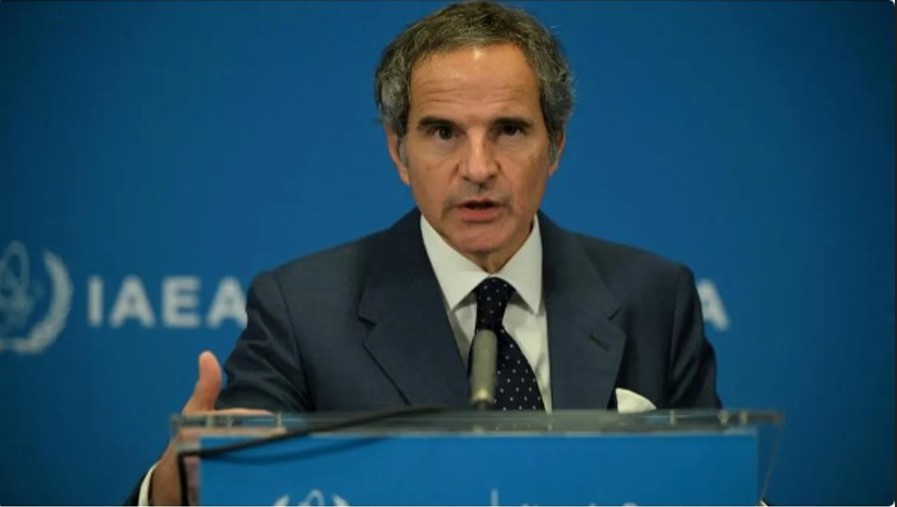
The interim US-Iran agreement provides access for inspectors from the United Nations nuclear watchdog to monitor Iran’s nuclear activities, International Atomic Energy Agency (IAEA) chief Rafael Grossi said on Friday, amid differences between Washington and Tehran over the scope of inspections.
According to media reports,Grossi said the agreement requires IAEA oversight of Iran’s nuclear programme and that inspections would be necessary to ensure compliance with the deal.“There is an agreement and to comply with that agreement, the IAEA will have to have access and inspect. We hope to be there soon,” Grossi said at a press conference in Japan.
UN nuclear watchdog chief Rafael Grossi said the US-Iran memorandum of understanding gives IAEA inspectors access to Iran, pushing back after Tehran suggested key nuclear sites would remain off-limits until a final deal is reached and sanctions are lifted.
— Iran International English (@IranIntl_En) June 26, 2026
“There is an… pic.twitter.com/zzcrfwB7OJ
His remarks came after US President Donald Trump said Iran had agreed to permit nuclear inspections. However, Tehran has maintained that there are no immediate plans for UN inspectors to visit certain nuclear sites, particularly facilities damaged in recent US and Israeli strikes, until a final agreement is reached and sanctions are removed.Grossi acknowledged the disagreement between the two sides, describing it as “a bit of a war of statements” over the interpretation of the arrangement.“What is undeniable is that we have an MOU. This MOU specifically indicates that the nuclear part of the memorandum will be supervised by the IAEA. In order to supervise, we need to inspect. There is no other way,” he said.
He added that technical discussions had already begun and the agency was preparing for further engagement.The US and Iran signed an interim peace agreement last week aimed at ending nearly four months of conflict, although both sides have continued to differ over details of the 14-point memorandum of understanding.Under the agreement, Washington and Tehran agreed to halt hostilities and reopen the strategically important Strait of Hormuz for at least 60 days without toll charges. The deal also includes efforts to reduce tensions in Lebanon, where clashes involving Israel and Iran-backed Hezbollah have continued.

Related Posts
World is an age of flux, but India will rise to challenges: Jaishankar
India-US trade talks hits 'plateau', Sitharaman hails FTA with EU
PM Modi, Swiss Prez Parmelin hold talks on India-EFTA trade ties