 Newsinc24 Team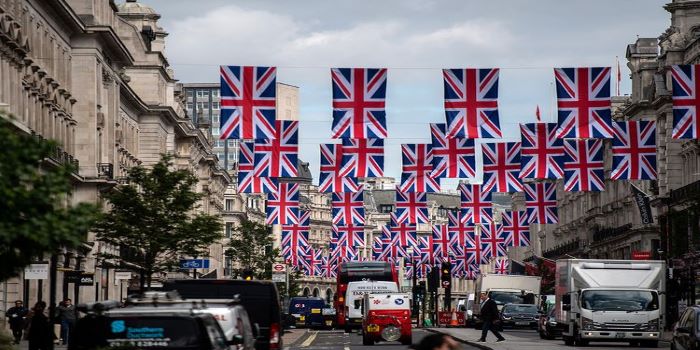
The UK economy shrank again in April as businesses felt the impact of price rises and the NHS COVID Test and Trace operation was wound down. Official figures showed that the economy contracted by 0.3 per cent in April after it shrank by 0.1 per cent the month before. The economy's performance in April was weaker than expected, with most analysts having predicted growth of 0.1 per cent. Since January 2021, April was the first time when all the main sectors of the economy - services, manufacturing and production - shrunk. And the latest figure marked the first back-to-back fall since COVID struck. The Office for National Statistics said the data represented the first time that all main economic sectors had contributed negatively to a monthly GDP estimate since January 2021. However, GDP would have grown by 0.1% excluding the impact of a scaling back of the government coronavirus test-and-trace and vaccination programs, the ONS said.
But it was the first time since January last year that all main economic sectors had shrunk. Many firms said increases in the cost of production had affected their business, the ONS said. Finance minister Rishi Sunak, who last month announced extra support for households and is expected to do more later this year, said Britain was not alone in facing the hit from surging inflation and the fallout from Russia’s invasion of Ukraine. “Countries around the world are seeing slowing growth, and the UK is not immune from these challenges,” he said in a statement. Separate trade data published by the ONS showed the impact of sanctions on Russia with exports to the country falling to the lowest monthly value since January 1999, and imports the lowest since March 2004. With energy costs soaring, Britain imported 9.8 billion pounds of fuel goods in April alone - the highest since records began in 1997 and representing around a fifth of all goods imports.
The risk of a UK-EU trade war is now material, which could push up inflation up and risk investment. Also, there are further pressures on taxes and spend with businesses calling for tax cuts and public sector workers seeking pay rises to match the double-digit inflation. The Bank of England has forecast that inflation could reach more than 10 per cent by the end of the year.
Related Posts
India's FDI inflows rise 6% to $19.81 billion in April-June
India to host World Circular Economy Forum in Gandhinagar
India economy grows 7.8% in April-June, beats expectations