 Newsinc24 Team
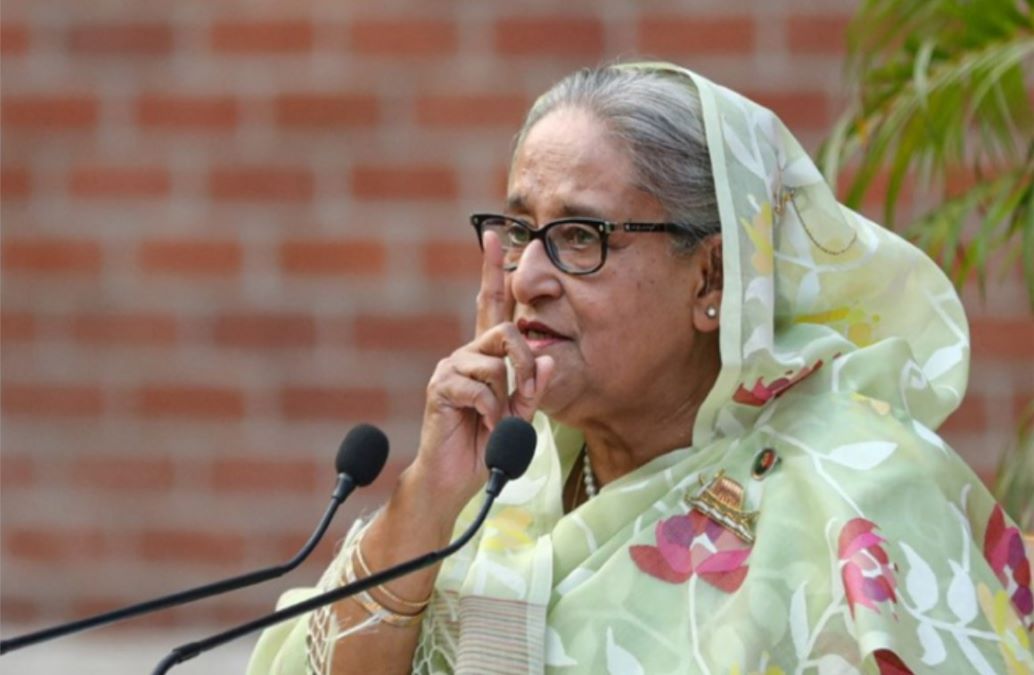
Former Bangladesh Prime Minister Sheikh Hasina has sought a new passport and National Identity Card (NID) from the Bangladesh Embassy in New Delhi, marking a significant step towards her planned return to the country in December, according to a Reuters report.
Exclusive: Ousted Bangladeshi Prime Minister Sheikh Hasina requested a new passport and identity card so she can return from self-imposed exile in India, her first such communication since fleeing in 2024 https://t.co/eDVkAWtP57
— Reuters (@Reuters) November 9, 2026
Hasina's lawyers at London-based Matrix Chambers submitted a letter on Monday to Preeti Rahman, acting high commissioner at Bangladesh's embassy in New Delhi, requesting the issuance of the documents, according to agency reports. This is her first such communication since fleeing Bangladesh in August 2024 following a deadly uprising that ended her 15-year rule."In view of the reported revocation of her existing Bangladeshi passport and National Identity Card (NID) by the Interim Government and other authorities, I respectfully request that you take the necessary steps to issue a new Bangladeshi passport and National Identity Card for our client," her lawyers stated in the letter.
The legal representatives also urged the authorities to process the applications "expeditiously", citing Hasina's Bangladeshi nationality and the country's obligations under international human rights instruments.Hasina has previously told Reuters that she plans to return to Bangladesh in December and surrender before a court. Her aides said on Monday that the exact date of her return would be announced once the necessary formalities were completed.
However, her anticipated return could trigger fresh political and legal tensions. Bangladesh's war-crimes court sentenced her to death in November 2025 in absentia for ordering a deadly crackdown on the student-led uprising. Hasina has denied the charges while remaining in India.Her departure followed weeks of escalating protests that initially erupted in June 2024 over a controversial government job quota system. The movement gained momentum after the High Court reinstated a provision reserving 30 per cent of government jobs for descendants of freedom fighters from the 1971 Liberation War.
What began as a student-led campaign demanding merit-based recruitment soon expanded into a nationwide movement amid violent clashes, allegations of excessive use of force by security personnel, unemployment concerns and wider public anger over governance and corruption.The government's handling of the demonstrations, including a deadly crackdown on protesters, intensified the unrest and fuelled demands for Hasina's resignation. On August 5, 2024, as thousands of protesters marched towards Dhaka, she resigned and fled to India aboard a military aircraft.
Meanwhile, Hasina's Awami League, which was Bangladesh's largest political party before her ouster, has since been banned. Several of its leaders and supporters have either been arrested or gone into exile in India and other countries.Her continued stay in India has also remained a contentious issue in bilateral relations. Bangladesh formally sought her extradition in December 2024, adding to diplomatic strains between the two neighbours. India has maintained that the request is being examined in accordance with established legal procedures.
Hasina's proposed return could therefore have significant implications for Bangladesh's domestic political landscape as well as its relations with India, particularly as the country continues to navigate the political uncertainty following the 2024 uprising.


Related Posts
Rain washes out third day’s play between India A and New Zealand A
India win rain-hit second ODI against New Zealand by four runs
India’s chemicals sector expands capacity, investment potential