 Newsinc24 Team
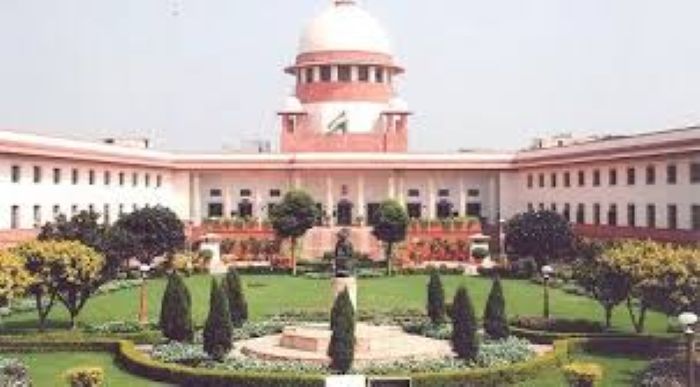
 The Supreme Court has rolled out a series of measures aimed at conserving fuel and improving resource utilisation, including virtual hearings, work-from-home arrangements and car-pooling among judges. The Top Court on Friday ordered mandatory virtual hearings on Mondays and Fridays in June and July, while also permitting up to 50% of its registry staff to work from home for two days a week.
According to a circular issued by Supreme Court Secretary General Bharat Parashar, the new measures have come into immediate effect following an Office Memorandum issued by the Department of Personnel and Training (DoPT) on May 12, 2026.Cases listed during partial working days, including court functioning during summer vacations and other recess periods, will also be heard only virtually. The circular said that all matters listed on “miscellaneous days”—Mondays, Fridays or such other days declared as miscellaneous days—as well as matters listed during the court’s partial working days, “shall be heard by video-conferencing only.” The circular said that the registry had been directed to ensure stable video-conferencing facilities and timely technical assistance so as to avoid any inconvenience so that judicial proceedings are not disrupted.
The court administration has additionally allowed up to 50 per cent of registry staff in each branch or section to work from home for two days a week. However, the remaining staff will continue to attend the office physically to ensure uninterrupted functioning of the court registry. The circular also stated that employees working remotely can be called to the office immediately if required. In cases where the work-from-home arrangement is found to be ineffective in any branch, the concerned registrar has been empowered to restrict or modify the arrangement.
The Supreme Court said the measures were intended to improve administrative efficiency while ensuring optimal use of resources. The move came days after Prime Minister Narendra Modi called for austerity measures in view of economic pressures arising from the ongoing conflict in the Middle East. PM Modi had urged citizens and institutions to reduce petrol and diesel consumption, limit purchase of gold, use metro rail services, promote car-pooling, rely more on electric vehicles and adopt work-from-home practices wherever possible.
Related Posts
PM Modi targets TMC in virtual speech at Bengal rally
SC pauses surveys of places of worship till hearing ends
Supreme Court postpones NEET-UG hearing for July 18