 Ira Singh
Arvind Panagariya, Chairman of the 16th Finance Commission and former Vice-Chairman of NITI Aayog, has advised the Reserve Bank of India not to worry excessively about the rupee weakening towards the 100-per-dollar mark, saying policymakers should not be guided by psychological currency levels.
In a post on X, Panagariya said, “Do not let the psychology of Rs 100 per dollar determine your policy response. 100 is just a number, like 99 and 101.”
His remarks come at a time when the Indian rupee has emerged as the worst-performing Asian currency in 2026, depreciating 6.6 per cent against the US dollar.On Thursday, however, the rupee snapped a nine-day losing streak and appreciated 0.65 per cent to close at 96.20 against the dollar.
Panagariya noted that allowing the rupee to depreciate is the appropriate response to the current oil shock, whether the rise in crude oil prices proves temporary or prolonged.
“Whether the oil shortage is short-lived or long-lived, the right response at this moment is to let the rupee depreciate,” he said, adding that if oil prices ease within a few months, the rupee could recover substantially as India’s import bill declines.
He advised that attempting to aggressively defend the currency could drain India’s foreign exchange reserves.“Trying to defend the rupee will continue to bleed the reserves until they are exhausted,” he urged.
The economist also advised against relying on special measures such as dollar-denominated bonds or high-interest foreign currency deposits for non-resident Indians (NRIs), calling them temporary solutions.“Nor would dollar-denominated bonds or high-interest dollar-denominated NRI deposits turn out to be more than a band-aid. Eventually, you will have to cross the 100-rupee-per-dollar psychological barrier,” he wrote.
Panagariya noted that such instruments are expensive as they require India to pay significantly higher interest rates than the returns earned on its foreign exchange reserves.Referring to the 2013 currency crisis triggered by the US Federal Reserve’s taper tantrum, he said conditions today are far more stable, particularly due to lower inflation levels.“This is not 2013. Inflation was in double digits then. Thanks to prudent monetary management, that is not the case now,” he said.
India’s retail inflation, based on the Consumer Price Index (CPI), rose to 3.48 per cent in April but remained below the RBI’s medium-term target of 4 per cent.However, analysts expect inflation projections to face upward pressure in the coming months following a rise in diesel and petrol prices amid the ongoing West Asia conflict and higher crude oil prices.
(Business Correspondent)












Related Items
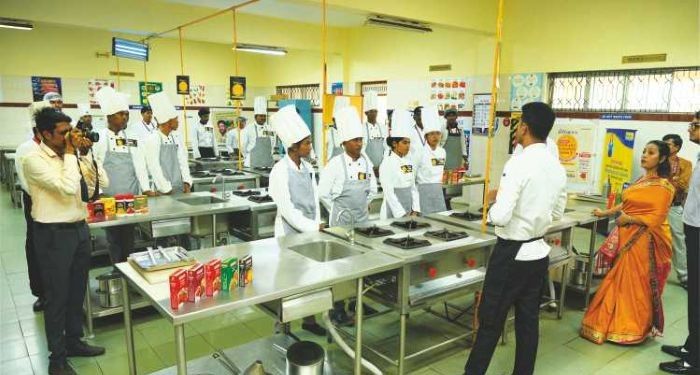
Beyond Diplomacy, India serves BRICS leaders a culinary journey
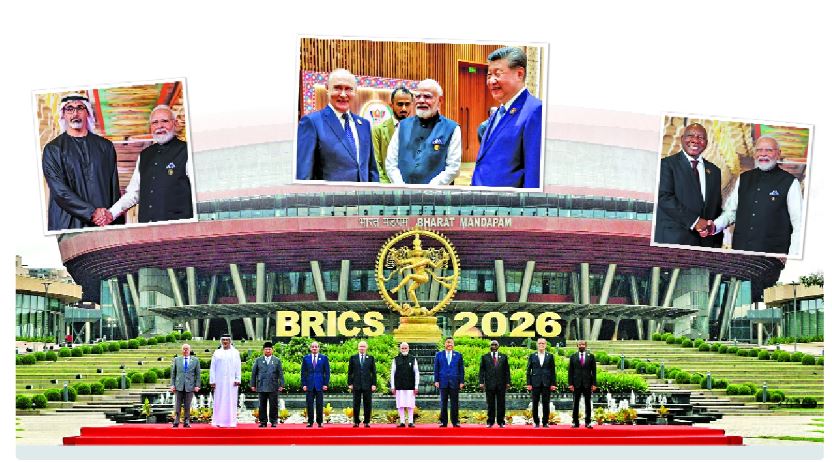
India passes BRICS Baton to China, PM Modi seeks Declaration action
India, Russia agree to advance bilateral investment treaty talks