 Ira Singh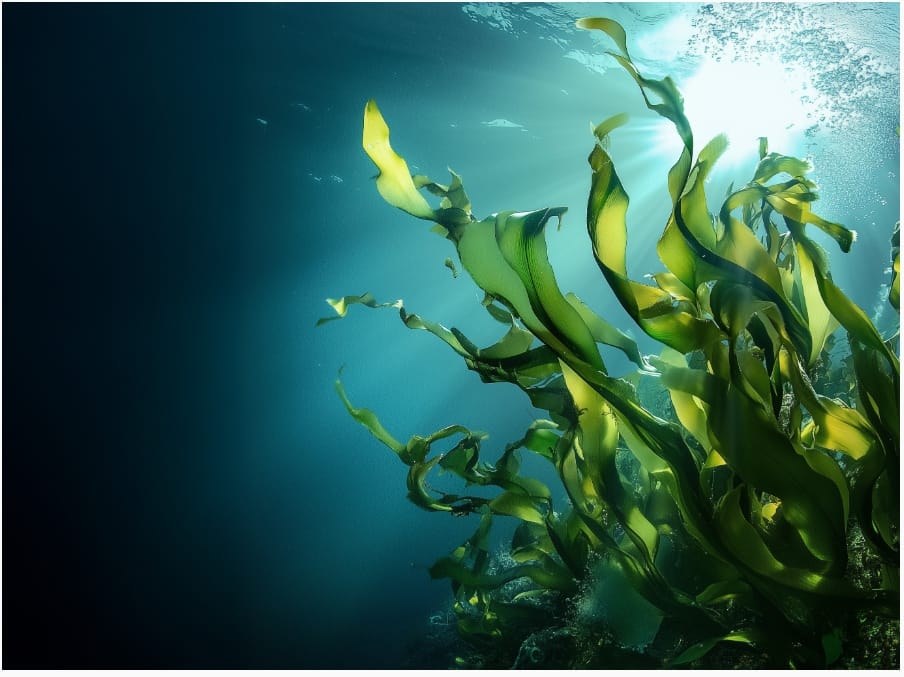
Landmark study outlines pathway to restore half of degraded land, slash food waste, and harness sustainable ocean-based food sources by 2050.In a groundbreaking paper published in Nature, 21 leading scientists have urged the world to fundamentally transform its food systems to halt and reverse land degradation, warning that current trends threaten climate stability, biodiversity, and global food security.The study quantifies, for the first time, how targeted reforms—reducing food waste by 75%, maximizing sustainable ocean-based food production, and restoring 50% of degraded lands—could spare or restore 43.8 million km² of land by 2050, an area larger than Africa, while cutting annual greenhouse gas emissions by an estimated 13 gigatons of CO₂-equivalent.“This paper presents a bold, integrated set of actions to tackle land degradation, biodiversity loss, and climate change together, as well as a clear pathway for implementing them by 2050,” said Fernando T. Maestre, Professor at King Abdullah University of Science and Technology (KAUST), Saudi Arabia, and lead author of the study. “By transforming food systems, restoring degraded land, harnessing the potential of sustainable seafood, and fostering cooperation across nations and sectors, we can ‘bend the curve’ and secure a healthier planet for all.”
Three Pillars of Action
1. Restoring 50% of degraded land
The paper calls for sustainable management to restore 3 million km² of cropland and 10 million km² of non-cropland. Indigenous Peoples, smallholder farmers, women, and vulnerable communities should lead and benefit from restoration efforts. Recommendations include redirecting subsidies to smallholder farms, creating land-based taxes to reward sustainable practices, and expanding environmental labelling for informed consumer choices.
2. Reducing food waste by 75%
With one-third of food currently lost or wasted, cutting waste could free 13.4 million km² of agricultural land. The authors recommend banning cosmetic standards that reject “ugly” produce, expanding food donation programs, offering discounts on near-expiry products, and improving storage and transport for small farmers. Spain’s new surplus food law is cited as a model.
3. Integrating land and marine food systems
Replacing 70% of unsustainably produced red meat with sustainably sourced seafood and seaweed-derived products could free 17.1 million km² of land. Seaweed farming requires no freshwater, absorbs atmospheric carbon, and could replace 10% of global vegetable intake—freeing another 0.4 million km² of cropland.
The Stakes and the Costs of Inaction
Barron J. Orr, Chief Scientist at the UN Convention to Combat Desertification (UNCCD), warned that degraded soils, depleted water tables, and biodiversity loss make restoration exponentially more expensive over time. Land degradation, he said, drives food and water insecurity, forced migration, and economic inequality.
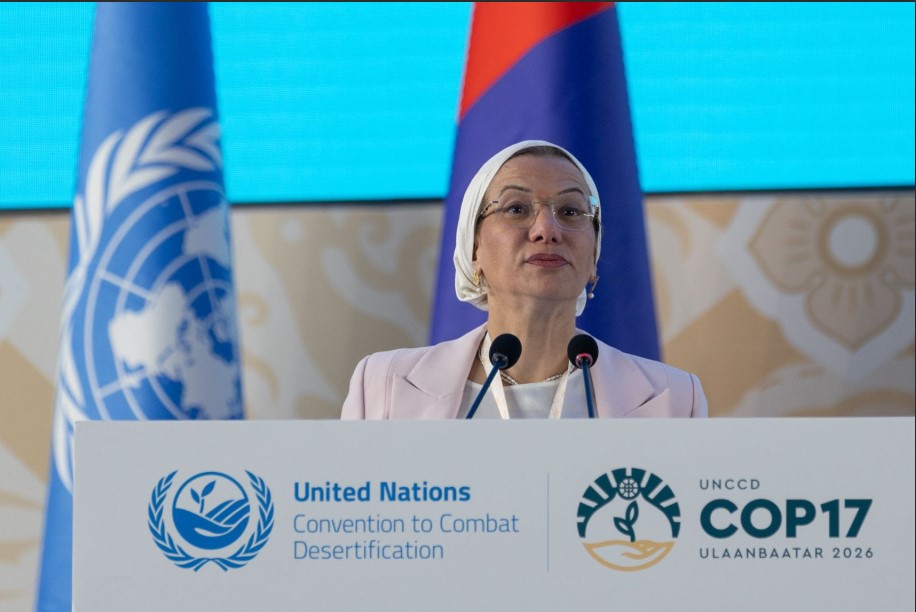
Global Coordination UrgedThe authors call on the three Rio Conventions—UNCCD, CBD, and UNFCCC—to unite behind common land and food system goals, accelerate knowledge sharing, and translate science into policy. UNCCD’s 197 Parties recently adopted measures to address agricultural land degradation at COP16 in Riyadh, Saudi Arabia.Co-author Elisabeth Huber-Sannwald of Instituto Potosino de Investigación Científica y Tecnológica in Mexico further stressed, “To secure a thriving future, we must reimagine how we farm, how we live, and how we relate to nature—and to each other. It’s time for land stewardship.”
Data at a Glance
33% – Global food wasted annually
50% – Target for degraded land restoration by 2050
43.8 million km² – Land spared or restored by 2050 under proposed reforms
13 Gt CO₂-e/year – Potential annual emissions reduction
US$1 trillion – Annual value of food lost or wasted













Related Items
India, Bengal not safe until borders are secured: Amit Shah
India composite PMI rises to 54.6 in Aug from 52 month low: HSBC
India & Brazil sign MoU in ICTs on sidelines of BRICS track meeting