 Ira Singh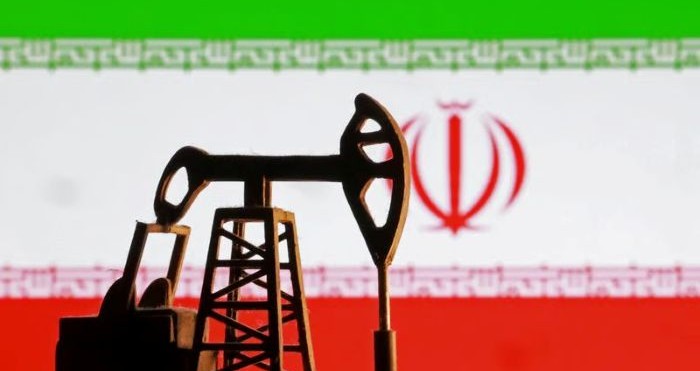
Global crude oil prices rallied sharply on Thursday, breaching the $100-per-barrel mark, after Iran ruled out direct negotiations with the United States to ease escalating geopolitical tensions in West Asia.According to information,benchmark Brent crude rose 1.21% to $103.46 per barrel, while West Texas Intermediate (WTI) gained 1.35% to $91.54 per barrel. The surge reflects renewed concerns over supply disruptions amid the intensifying conflict.
The price spike followed remarks by Abbas Araghchi, an Iranian diplomat, who clarified that ongoing indirect exchanges between Tehran and Washington should not be interpreted as formal negotiations. Iran is also expected to reject a US-backed ceasefire proposal, further dampening hopes of de-escalation.Oil markets had briefly eased in the previous session on optimism surrounding a potential ceasefire. However, the latest developments have reversed sentiment, driving prices higher as traders factor in prolonged instability in the region.In a significant move, Iran announced that vessels from select “friendly” nations would be allowed safe passage through the strategically vital Strait of Hormuz—a key artery for global oil shipments. Countries including India, Russia, China, Pakistan, and Iraq have reportedly been granted transit access.However, vessels linked to adversarial nations such as the United States and Israel, along with certain Gulf countries involved in the conflict, could face restrictions. This raises the risk of supply chain disruptions and further volatility in global energy markets.
Adding to concerns, France’s Finance Minister Roland Lescure said that 30% to 40% of refining capacity in the Gulf has been damaged or destroyed, triggering an oil crisis, particularly in parts of Asia. “As a result, we are now facing an oil market where 11 million barrels per day are missing,” he said.Lescure added that discussions with his Qatari counterpart indicated that 17% of the country’s gas production capacity was also destroyed following attacks on energy infrastructure. He further expressed concern that it could take up to three years to fully restore damaged facilities, while restarting those that were shut down could take several months.With geopolitical tensions showing no immediate signs of easing and significant damage to critical energy infrastructure, analysts expect oil prices to remain elevated, keeping global markets on edge.
(Business Correspondent)


_(5).jpg)











Related Items
Sensex fall 388 pts, Nifty below 24,500 amid rise in crude oil price
Oil prices hit 5 wk high as crude tops $92 a barrel amid US-Iran tensions
Nifty below 24,200, Sensex down 238 pts amid higher crude,FII selling