 Newsinc24 Team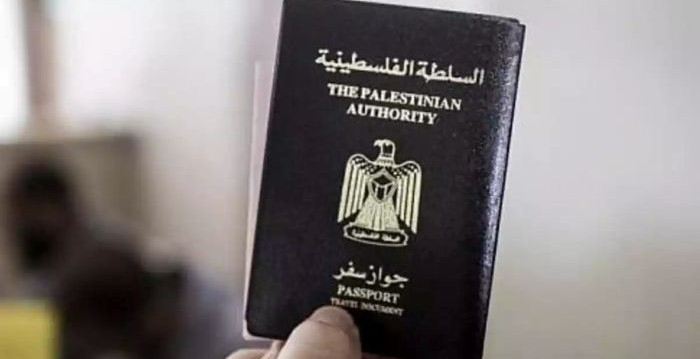
US President Donald Trump on Tuesday expanded a travel ban by barring Palestinian Authority passport holders from entering the United States, along with banning five other nationalities. In a social media post, a White House said that Trump, who has long campaigned to restrict immigration, was acting “to protect the security of the United States." The policy announced Tuesday will go into effect on January 1, 2026. In June, Trump had announced that citizens of 12 countries would be banned from visiting the United States and those from seven others would face restrictions. The decision resurrected a hallmark policy of his first term. The announcement also said citizens from Burkina Faso, Mali, Niger, South Sudan and Syria would be barred entry.
A White House fact sheet on the announcement cited corruption and terrorism among the reasons for the blanket ban, saying that many of the countries on the list “suffer from widespread corruption, fraudulent or unreliable civil documents and criminal records, and nonexistent birth-registration systems — systemically preventing accurate vetting.” Regarding the ban on Palestinians, the fact sheet cited the two years of war between Israel and Hamas in Gaza, as well as the presence of terror groups in Palestinian population centers. PA passports are most commonly held in Gaza, while in the West Bank, where the PA is based, many have Jordanian passports. “Several US-designated terrorist groups operate actively in the West Bank or Gaza Strip and have murdered American citizens,” it says. “Also, the recent war in these areas likely resulted in compromised vetting and screening abilities.”
The ban is part of ongoing efforts to tighten US entry standards for travel and immigration. The decision follows the arrest of an Afghan national suspect in the shooting of two National Guard troops late last month. The suspect has pleaded not guilty to murder and assault charges. The ban previously included Afghanistan, Myanmar, Chad, the Republic of Congo, Equatorial Guinea, Eritrea, Haiti, Iran, Libya, Somalia, Sudan and Yemen and heightened restrictions on visitors from Burundi, Cuba, Laos, Sierra Leone, Togo, Turkmenistan and Venezuela.













Related Items
SC cuts 3-year legal practice to one year for entry-level judicial exam
Amrit Udyan opens for visitors with free entry
CWG: Lovlina secures bronze medal after direct entry into semi-finals