 Newsinc24 Team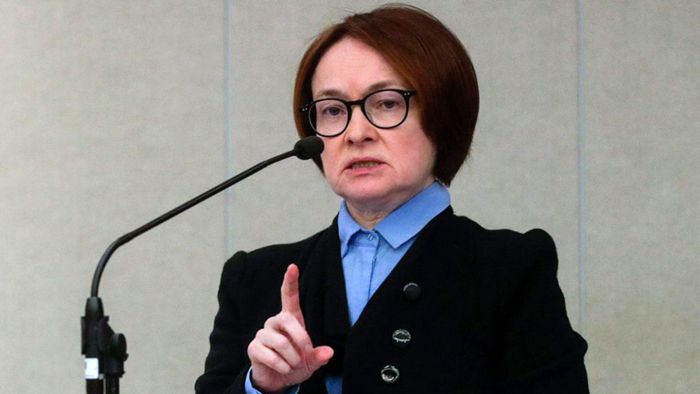
Russia’s central bank on Friday reduced its benchmark interest rate by one percentage point to 17%, in a move aimed at shoring up an economy under pressure from slowing growth, rising inflation, and heavy wartime spending. The decision comes as government expenditure on the conflict in Ukraine pushes the budget deficit higher, challenging policymakers to balance price stability with economic momentum.According to Russian Central Bank Governor Elvira Nabiullina,the Bank of Russia, which had previously raised rates to 21% to rein in inflation, acknowledged that elevated borrowing costs were weighing on business activity. Inflation remains high at 8.2% despite easing marginally in July and August, with the bank cautioning that “inflation expectations have not changed considerably in recent months” and could obstruct a sustainable slowdown in price rises.It further noted that the rate cut underscores the tension between controlling inflation and supporting a wartime economy under strain. Growth has weakened, with year-on-year expansion slowing to 1.1% in the second quarter from 1.4% in the first quarter and 4.5% at the end of 2024. On a quarterly basis, the economy contracted 0.6%, highlighting a recent loss of momentum.
The fiscal picture is deteriorating, with the budget deficit rising sharply to 4.9 trillion rubles ($58 billion) between January and July, compared with 1 trillion rubles a year earlier. Government spending surged to 129% of planned levels, according to estimates by the Kyiv School of Economics. Oil and gas revenues fell 19% from the previous year amid softer global energy prices.At the same time, India has emerged as a key buyer of Russian crude, with trade data showing oil shipments to India continuing at strong levels in May. Discounted Russian barrels have helped India secure energy at lower costs while providing Moscow with an alternative market to offset reduced European demand.
Despite Western sanctions and the loss of gas sales to Europe, Russia’s economy has shown resilience. Unemployment is at record lows, and household incomes are rising, supported by recruitment bonuses and defense-linked spending that have bolstered domestic demand. The government has financed its widening deficit by selling ruble-denominated bonds to domestic banks, which expect further easing of monetary policy in the coming months.














Related Items
India to host World Circular Economy Forum in Gandhinagar
India’s Dhiraj Bommadevara wins historic Archery World Cup Final
BRICS Declaration reflects India’s growing global influence: Singh