 Dr Mysi Patil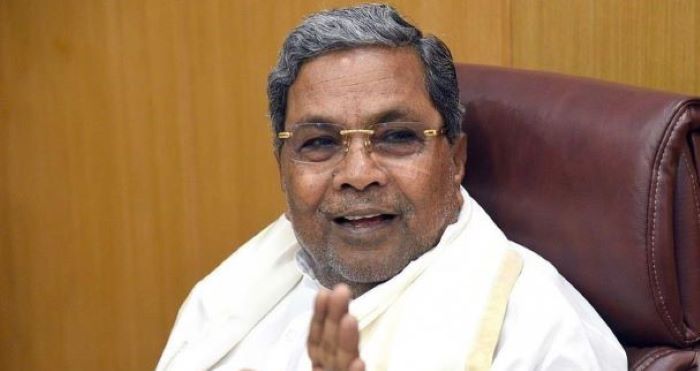
The Karnataka Lokayukta gave a clean chit to Chief Minister Siddaramaiah, his wife, and two others in the Mysore Urban Development Authority (Muda) site allocation case, with the anti-corruption watchdog set to submit a B-report citing lack of evidence. The investigation concluded that the allegations were civil in nature and did not warrant criminal proceedings. A notice was sent to complainant Snehamayi Krishna, a journalist and social activist, informing him of the findings. He has been given a week to challenge the report before the designated magistrate. The Lokayukta’s notice stated that the probe did not find sufficient proof to substantiate the charges and suggested that any discrepancies may have arisen from a misunderstanding of legal provisions.
The other two accused are Siddaramaiah's brother-in-law (Parvathi's brother) Mallikarjuna Swamy, and Devaraju, a land owner. "Since the above allegations against accused-1 to accused-4 in the case have not been proven due to lack of evidence, the final report is being submitted to the high court," the Lokayukta police said in a letter to activist Snehamayi Krishna, a complainant in the MUDA case, news agency PTI reported.“Further investigation will be conducted into the allegations of MUDA providing compensatory plots in the ratio of 50:50 from 2016 to 2024, and an additional final report will be submitted to the high court,” the letter said.
The controversy involves claims that MUDA allotted compensatory plots in a prime Mysuru locality to Karnataka Chief Minister Siddaramaiah’s wife, Parvathi, despite her original land—acquired by MUDA—being in a less valuable area. As part of the 50:50 ratio scheme, MUDA had allocated plots to Parvathi in exchange for 3.16 acres of her land, where a residential layout was later developed.
(State Correspondent)










Related Items
CM Vijay condemns killing of 3 Tamil men in Karnataka forest firing
Former Pak minister seeks FIR against ex-wife over AI images
Karnataka cabinet portfolios out: DKS keeps finance, check full list