 Newsinc24 Team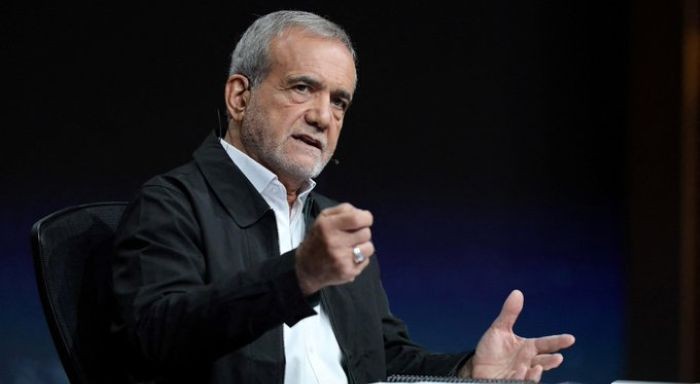
Iran is planning to withdraw from the Nuclear Non-Proliferation Treaty amid intensifying conflict with Israel. President Masoud Pezeshkian said Iran’s Parliament is drafting legislation to leave the nuclear treaty. The President reiterated Tehran’s stance that it has no plans to develop nuclear weapons and underscored that Iran’s nuclear activities remain focused on peaceful energy and research, aligning with Supreme Leader Ayatollah Ali Khamenei’s long-standing religious edict against weapons of mass destruction. The NPT is a landmark international treaty to prevent the spread of nuclear weapons, promote peaceful uses of nuclear energy, and facilitate nuclear disarmament. Iran’s potential exit from the treaty will mark a significant escalation, further deepening global fears of a nuclear arms race in the Middle East, especially after three days of missile exchanges with Israel.
Iran’s mission to the United Nations in Vienna said Monday that expecting Tehran to continue its voluntary commitments under the Nuclear Non-Proliferation Treaty (NPT) is “unjustified” while its treaty rights are ignored and its nuclear sites are targeted by a non-member state. The statement, cited by Iranian state media, comes amid growing internal calls for Iran to withdraw from the NPT. On Monday, Foreign Ministry spokesman Esmaeil Baghaei confirmed that parliament is preparing a bill to leave the treaty, while reiterating Iran’s opposition to weapons of mass destruction.
Meanwhile, Iran on Monday executed Esmaeil Fekri, convicted of spying for Israel’s Mossad, on charges including waging war against God. The conflict has left at least 224 dead in Iran and 24 in Israel in the last four days. As per Reuters report US aircraft carrier USS Nimitz leaves South China Sea, heading west as Middle East tensions rise.
Tehran’s Grand Bazaar and many other businesses shuttered quickly as queues outside petrol stations grew longer. Authorities have now capped fuel purchases at 15 liters per private vehicle per day. The attacks have sparked deep anxiety across Tehran, a city already struggling under energy shortages and economic malaise before the conflict. Meanwhile, as per the Times of Israel report, The attacks have sparked deep anxiety across Tehran, a city already struggling under energy shortages and economic malaise before the conflict. An Israeli official tells the newspaper that Israel operation against Iran could take 2-3 weeks, but the timeframe depends on decisions made by the political echelon on the scope of the campaign. Prime Minister Benjamin Netanyahu has said that Israel is “on the way” to achieving its goals of destroying the Iranian nuclear and ballistic missile threats. Israel is telling Tehran’s residents to “get out” while the IAF strikes targets in the capital, says Netanyahu.

Related Posts
Netanyahu invites PM Modi, fludubai pilot to Israel
flydubai incident: Israel calls injured Indian captain a hero
Oil heads higher as US-Iran peace talks in stalemate