 Newsinc24 Team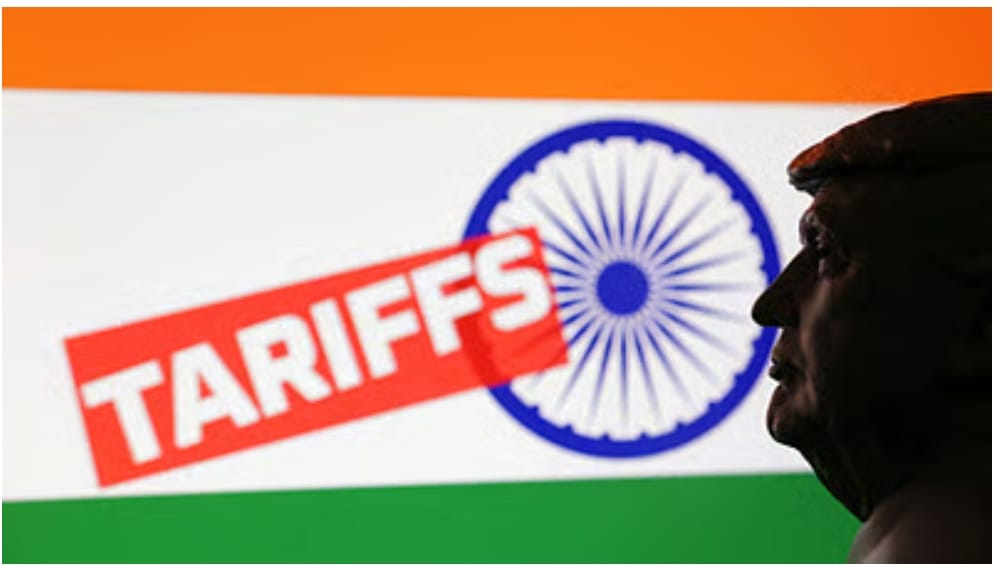
India has secured a lower tariff burden under the United States’ final Section 301 measures on imports linked to forced labour concerns, with the additional duty on Indian goods reduced to 10 per cent from the 12.5 per cent initially proposed, the government said on Saturday. The final measures, announced by the U.S. Trade Representative (USTR) on July 23, conclude an investigation under Section 301 of the U.S. Trade Act, 1974, into the policies and practices of 60 economies, including India, relating to the prohibition and enforcement of imports produced with forced labour.
According to the Ministry of Commerce and Industry, the reduction in the proposed tariff follows sustained engagement between the Government of India and the USTR through detailed written submissions, in-person consultations and participation in public hearings during the course of the investigation. As a result, India has been placed in the lower tier of additional tariffs under the final Section 301 measures, providing Indian exporters with a relative competitive advantage over many other economies covered by the investigation.
The Ministry said a significant portion of India’s exports to the United States will remain unaffected by the new duty. Products such as generic pharmaceuticals, smartphones and certain other specified goods, which currently attract no additional duties, continue to remain outside the scope of the 10 per cent tariff. Similarly, products already subject to Section 232 measures—including steel, aluminium and auto parts—will not face the additional Section 301 duty, as they are already covered under a separate U.S. trade framework applicable to most countries.
Owing to these exemptions, the Ministry estimates that around 45 per cent of India’s exports to the United States will remain outside the purview of the new Section 301 tariff. The remaining 55 per cent of exports will attract the additional 10 per cent duty, although India’s overall tariff incidence remains lower than that imposed on most other economies included in the investigation. The ministry also noted that the textile-specific mechanism referred to in the USTR’s final measures has not yet been established or operationalised. India is continuing discussions with the United States on the issue as part of the ongoing negotiations for the proposed India-U.S. Bilateral Trade Agreement (BTA).









Related Items
India, MERCOSUR initiate talks to expand Preferential Trade Agreement
India's August retail inflation rises to 4.82% from 4.45% in July
India to supply power to flood-hit Nepal till December 31