 Newsinc24 Team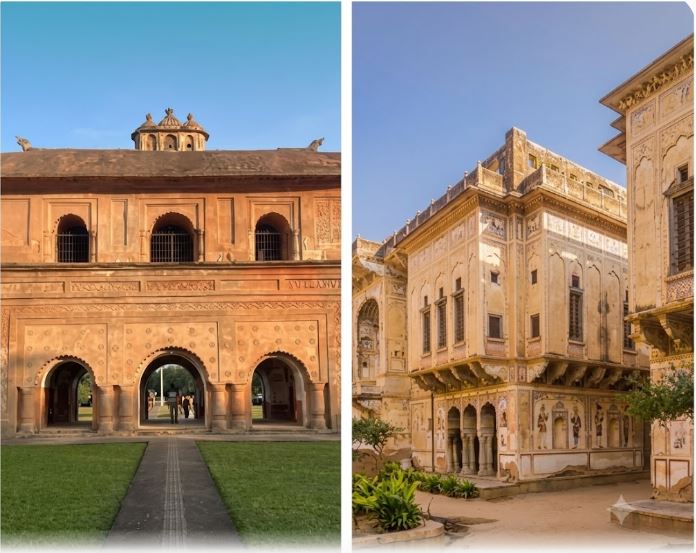
India’s rich cultural heritage has gained another global recognition with the addition of four exceptional sites to UNESCO’s World Heritage Tentative List, taking the country’s total number of properties on the list to 73. The latest additions span Rajasthan, Assam and the Andaman and Nicobar Islands and showcase India’s architectural traditions, freedom struggle, indigenous cultures and living heritage.
The four newly added sites are the Painted Haveli Towns of Shekhawati,Colonial Penal Settlement of Andaman Islands,Nicobarese Cultural Continuity in the Central Group of Nicobar Islands, and Rangpur-Sivasagar Historic Ensemble. Their inclusion is an important step in the UNESCO World Heritage nomination process, as properties must first be placed on a country’s Tentative List before they can be considered for inscription on the World Heritage List.
The Painted Haveli Towns of Shekhawati in Rajasthan comprise historic ensembles across 14 towns in the Jhunjhunu, Sikar and Churu districts. Known for richly painted havelis, temples, bazaars, forts and traditional water systems, the region reflects the architectural and artistic patronage of merchant communities between the 18th and early 20th centuries. Its frescoes depict religious themes, mythology, everyday life, colonial encounters and technological changes, making the towns a distinctive cultural landscape.
The Colonial Penal Settlement of the Andaman Islands is a serial property comprising Chatham Island, Netaji Subhas Chandra Bose Island, Viper Island and the Cellular Jail. Together, the sites document the evolution of the British colonial penal system following the 1857 uprising, including forced labour, incarceration and administrative control. The Cellular Jail, in particular, is closely associated with India’s freedom struggle and the sacrifices of political prisoners.
The Nicobarese Cultural Continuity in the Central Group of Nicobar Islands represents a living indigenous heritage shaped by generations of traditional practices and the communities’ close relationship with the island environment. The proposed property covers parts of the Nancowrie group, including Chowra, Trinket and Bompoka islands.
Meanwhile, the Rangpur-Sivasagar Historic Ensemble in Assam represents the political and cultural heart of the Ahom dynasty, which ruled the upper Brahmaputra Valley for around six centuries. The ensemble includes palaces, temples, ceremonial structures, historic road networks and large water reservoirs such as Joysagar, Gaurisagar and Sivasagar, reflecting the Ahoms’ sophisticated urban planning and water-management traditions.
The four additions underline the breadth of India’s heritage, extending from painted merchant towns and colonial-era sites to indigenous living traditions and the architectural legacy of one of the Northeast’s most influential kingdoms. They also strengthen India’s efforts to preserve diverse cultural landscapes and present them on the global heritage stage.The development comes as India continues to expand its presence on UNESCO’s heritage framework, with the latest additions bringing its Tentative List to 73 properties, comprising cultural, natural and mixed heritage sites.











Related Items
Karnataka cabinet portfolios out: DKS keeps finance, check full list
India celebrates 'National Handloom Day',hails weavers & rich heritage
Karnataka PSC stays vet recruitment list, orders probe