 Shruti Singh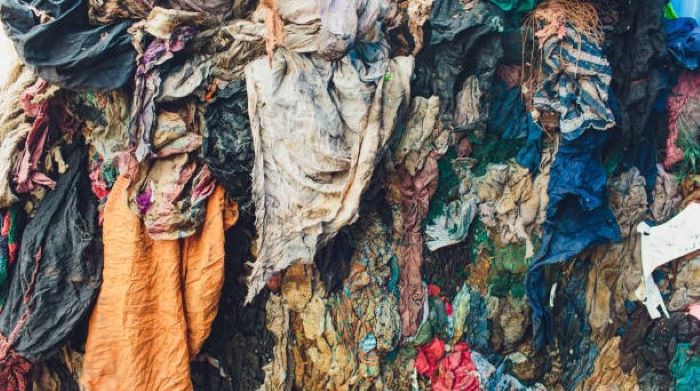
Fashion has always played a huge role in affecting society and each of us personally. Without going into complexities, the simple explanation for this can be the fact that it helps us express ourselves without having to say anything. Most of the time people can be assessed on who they are or who they want to be, by how they carry themselves. Even the people who fail to appreciate the importance and reach of the fashion industry are undeniably connected to it by dressing up themselves every day. Fashion is a form of art that is capable of spreading an idea around very powerfully and coherently. It speaks so much about society in terms of economy, art, science & technology, innovation, culture, and more. But often the fashion industry is criticized for its faults. Most global industries have a dark side and the fashion industry is not free of it. Environmental damage and exploitation of workers remain the issues that the industry still has to consider and overcome.

Present scenario
Manufacturing more than 80 billion items every year, the fashion industry has become the top polluting industry, second only to the oil industry. The problem further expands itself as we look into the projected increase in consumption of apparel products in the upcoming years due to the growing income in developing countries. Approximately 92 million tons of textile waste is dumped in landfills globally every year. In fact, 40% of these clothes are rarely or never worn. Let us look at some figures that will increase our knowledge on the gravity of the issue and find out how our planet has to pay for our ignorance.

How did we reach here?
Before the existence of the fashion industry, people had to make their own clothes. These clothes had to be repaired and hand-sewn if damaged which meant full utilization of the clothes. With the advancement in technology, the arrival of sewing machines in limited numbers gave way to couture houses that sold very expensive clothing. Localized dressmakers were responsible for ‘made to order’ clothing for middle-class women, while women of lower incomes continued to make their own clothing. However, after the world wars, clothing was not an issue as industrialization gave way to mass production and standardization of ready-made clothing. Slowly getting used to such standardization, more middle-class consumers became receptive to purchasing mass-produced clothing. Fashion became dangerous after the 1960s when young people started embracing cheaply made clothing to follow new trends, rejecting the traditions of older generations. The rising need for fashion brands to keep up with the increasing demand for affordable clothing lead to massive textile mills opening across the developing world. This gave way to fast fashion. Fast fashion is defined as the activity of clothing brands to bulk manufacture latest trends in poor quality and sell it to consumers for cheaper prices. Outcome? People get into buying more and more clothes for the same money. There is no proper utilisation of these clothes as people can conveniently change their wardrobes along with fashion trends.
Taking initiatives to mend the damage
It is not like we are helpless. There is so much we can do at the supplying end as well as the consuming end in order to stop the exploitation of our planet. It starts with having the right mindset to bring about a change and spreading the idea. The aim is to make fashion sustainable. Sustainability in fashion resonates to the idea of creating ethical fashion. It is not just confined to the making of longer-lasting products and timeless designs but it also lays emphasis on the utilization of resources in a way that does not degrade the planet for generations to come. Basically, it makes us consider ways that will cause less environmental and social damage and these ways collectively form the ‘Green strategy’ in the fashion.

It is time for consumers to not only give importance to sustainability but make it a priority. We, as consumers have to understand that if we change our mindset and start moving towards sustainable products, manufacturers will be compelled to stop making them. This can work only as a collective effort and together only we shall succeed in saving our Home.








Related Items
Gujarat proposes Bill to regulate manufacturing of livestock, poultry feed
Industry participation crucial for PM-SETU scheme:MB Patil
Sitharaman, 3M CEO discuss expanding manufacturing, R&D in India