 Newsinc24 Team
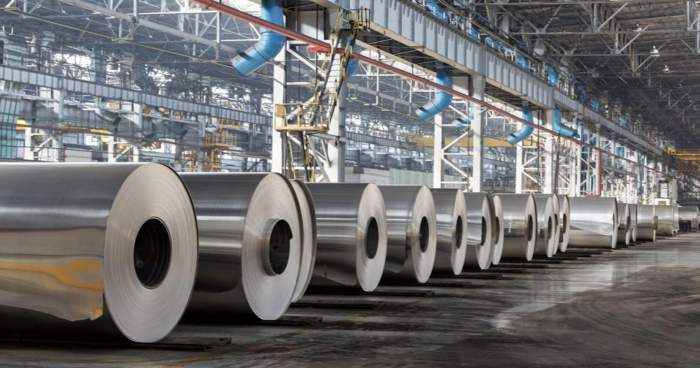
Mexico, Canada and the European Union has condemned U.S. President Donald Trump’s decision to impose tariffs on all steel and aluminium imports next month, a move that has fanned fears of a trade war. Trump signed proclamations on Monday raising the U.S. tariff rate on aluminium to 25% from his previous 10% rate and eliminating country exceptions and quota deals as well as hundreds of thousands of product-specific tariff exclusions for both metals. The measures, due to take effect on March 12, will apply to millions of tons of steel and aluminium imports from Canada, Brazil, Mexico, South Korea and other countries that had been entering the U.S. duty free under the carve-outs.
Mexican Economy Minister Marcelo Ebrard called the tariff decision “not justified” and “unfair.” Canadian Prime Minister Justin Trudeau said the tariffs were “unacceptable.” Canada’s response, if needed, would be firm and clear, he said at an artificial intelligence summit in Paris. European Commission President Ursula von der Leyen joined the condemnation, saying the 27-nation bloc would take “firm and proportionate countermeasures.”
The move will simplify tariffs on the metals, Trump told reporters. “It’s 25% without exceptions or exemptions,” he said. “That’s all countries, no matter where it comes from, all countries.” Trump said on Monday he would announce reciprocal tariffs over the next two days on all countries that impose duties on U.S. goods, and said he was also looking at tariffs on cars, semiconductors and pharmaceuticals. Asked about threats of retaliation by other countries against his new tariffs, Trump said, “I don’t mind.”
In figures likely to further irk Trump, Germany’s trade surplus with the U.S. reached a record level last year of 70 billion euros ($72.3 billion), according to data from the German statistics office. European Commission head Von der Leyen said that tariffs were taxes that were bad for business and worse for consumers. EU steel exports to the U.S. have averaged about 3 billion euros ($3.1 billion) a year over the past decade.The EU tariffs on U.S. products such as bourbon, motorcycles and orange juice are currently suspended until the end of March.
The American Chamber of Commerce to the EU (AmCham EU), representing U.S. companies active in Europe, also criticised the move as harmful to jobs, prosperity and security on both sides of the Atlantic. The damage will reverberate beyond the steel and aluminium sectors to all businesses that rely on these materials, it said.
Executives across industries reliant on steel and aluminum imports were scrambling to offset the cost of Trump’s move after previous tariff threats from the White House that were later scrapped. Ford Motor CEO Jim Farley said Trump’s proposed and implemented tariffs have added “a lot of cost and a lot of chaos.” Trump’s latest trade salvo pushed gold prices to a record high on Tuesday on safe-haven demand in Asian trading before retreating.
Steel imports accounted for about 23% of American steel consumption in 2023, according to American Iron and Steel Institute data, with Canada, Brazil and Mexico the largest suppliers. Canada, whose abundant hydropower resources aid its metal production, accounted for nearly 80% of U.S. primary aluminium imports in 2024.


Related Posts
Wendy Cutler on Section 301 Tariff Announcement
India, Sweden launch LeadIT 3.0 at COP31; Brazil joins initiative
India surpasses US, Japan combined steel output, ranks 2nd globally