 Newsinc24 Team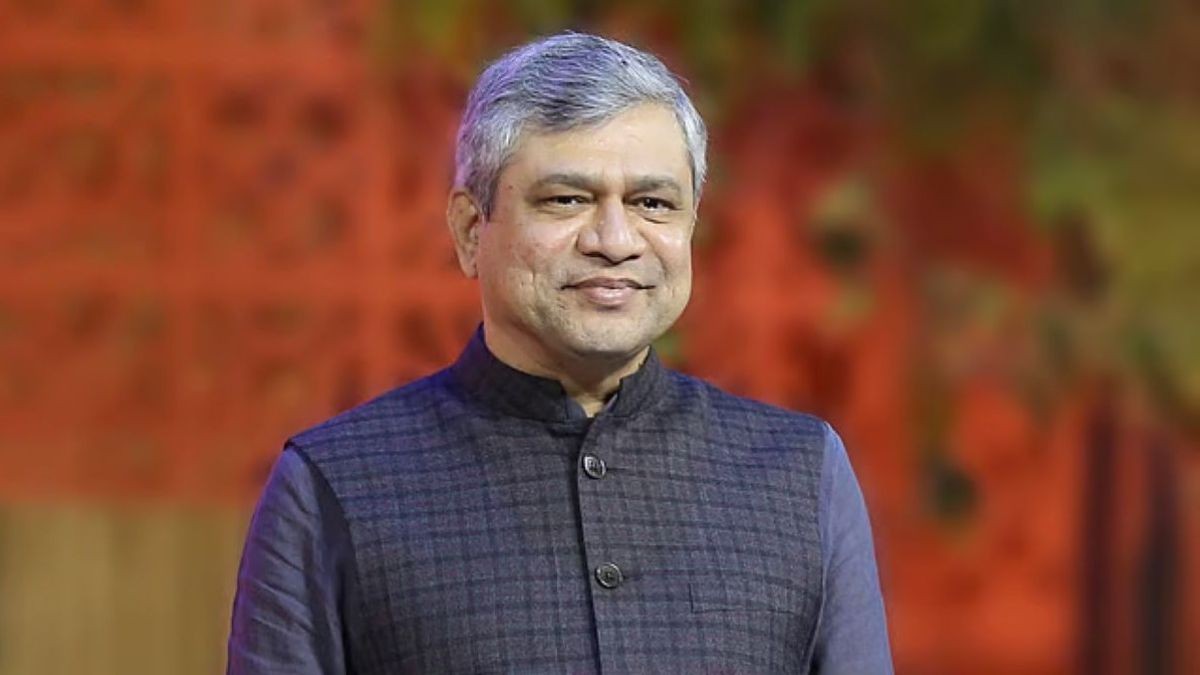
Government on Wednesday approved an increas MSPs for all mandated Rabi crops, Intelligent Traffic Management System for Delhi and the Green Energy Corridor Phase-3. Briefing the media in New Delhi after the Union Cabinet meeting, Information and Broadcasting Minister Ashwini Vaishnaw said the decision has been taken to ensure remunerative prices for farmers for their produce. He said the highest absolute increase in MSP has been announced for safflower at 675 rupees per quintal, followed by rapeseed and mustard at 413 rupees per quintal. The Minister said the MSP for lentil, or masur, has been increased by 390 rupees per quintal, barley by 136 rupees per quintal, gram by 83 rupees per quintal and wheat by 25 rupees per quintal.The increase in MSPs for mandated Rabi crops for the Marketing Season 2027-28 is in line with the Union Budget 2018-19 announcement of fixing MSPs at a level of at least one-and-a-half times the All-India weighted average cost of production.
VIDEO | Delhi: Union Minister Ashwini Vaishnaw says, "The first decision is regarding the price policy for rabi crops. As you know, the Narendra Modi government has always worked strongly in the interest of farmers. Decisions that were earlier viewed as being taken in a limited… pic.twitter.com/8VgoPEmitD
— Press Trust of India (@PTI_News) September 30, 2026
The Minister said the CCEA has also approved the implementation of the Intelligent Traffic Management System (ITMS) project by the Delhi Police at an estimated cost of over one thousand 789 crore rupees, inclusive of taxes. He said the project will cover 42 identified traffic corridors and will be implemented in three phases over 24 months, followed by five years of operation and maintenance.
Vaishnaw said the Union Cabinet today also approved the Green Energy Corridor (GEC) Phase-III scheme. He said the initiative will strengthen India’s intra-state transmission system to enable the evacuation of up to 135 gigawatts of renewable energy across States and Union Territories. The Minister said the scheme also provides for the deployment of 50 gigawatt-hours of Battery Energy Storage Systems at the renewable energy developer or generator end, or at any other location of importance for grid flexibility. This will help address intermittency, congestion and peak-hour curtailment, as well as meet demand during non-solar hours. He said the scheme will facilitate grid integration and power evacuation within the States and Union Territories.


Related Posts
Union Cabinet approves EPFO wage ceiling hike to Rs 25,000
Cabinet approves five railway multitracking projects
West Bengal cabinet approves remuneration hike of over one lakh staff