 Newsinc24 Team
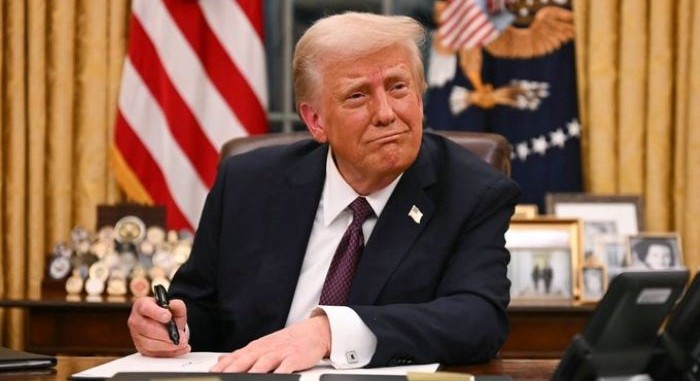
President Donald Trump signed a trio of executive orders on Saturday that imposed 25% tariffs on imports from Canada and Mexico and a 10% duty on imports from China as he sought to force the countries to clamp down on the flow of migrants and fentanyl across their borders and into the U.S. An exception was made for Canadian energy, including oil. Tariffs on energy imports from Canada were set at a lower rate of 10%, a White House official said, to minimize the potential for disruptions in gasoline and home heating prices.The new tariffs on imports from all three nations are on top of existing duties. They are expected to go into effect on Tuesday.
Trump’s NEW tariffs:
— RT (@RT_com) February 1, 2025
- 10% on China until it fully cooperates on fentanyl
- 25% on Canadian goods & 10% on energy
- 25% tariff on Mexico pic.twitter.com/jODUUS1ZQK
Canada and Mexico are the top sources of U.S. crude imports, together accounting for around one-quarter of the oil U.S. refiners process into fuels such as gasoline and heating oil, according to the U.S. Department of Energy. In 2022, Canada accounted for 60% of crude oil imports to the U.S., while 10% of crude oil came from Mexico, according to the U.S. Energy Information Administration.
The White House said in a statement that the tariffs were being implemented to pressure the three countries into stopping the flow of fentanyl and immigrants into the U.S. and would remain in place until "the crisis is alleviated." "We need to protect Americans, and it is my duty as President to ensure the safety of all," Trump said in a post on Truth Social announcing he had signed the tariffs. "I made a promise on my Campaign to stop the flood of illegal aliens and drugs from pouring across our Borders, and Americans overwhelmingly voted in favor of it."
More than 107,000 people died from drug overdose in 2023, with nearly 70% of those deaths from opioids, including fentanyl. Nearly all of the 21,900 pounds of fentanyl seized in 2024 was at the southern border, with just 43 pounds of fentanyl seized at the northern border, according to data from Customs and Border Protection.
"Tariffs on all imported goods from Mexico and Canada — especially on ingredients and inputs that aren’t available in the U.S. — could lead to higher consumer prices and retaliation against U.S. exporters," said the Consumer Brands Association, which represents makers of packaged food and health products.A trade war among the three countries would reduce the economic growth for all of them but could especially impact Mexico, according to an analysis by the Peterson Institute. “For Mexico, a 25% tariff would be catastrophic. Moreover, the economic decline caused by the tariff could increase the incentives for Mexican immigrants to cross the border illegally into the US—directly contradicting another Trump administration priority,” the report said.



Related Posts
Wendy Cutler on Section 301 Tariff Announcement
Trump proposes fresh tariffs on India, China and other trade partners
Deepika’s hat-trick powers India to record 6-2 win over China in Bhopal