 Newsinc24 Team
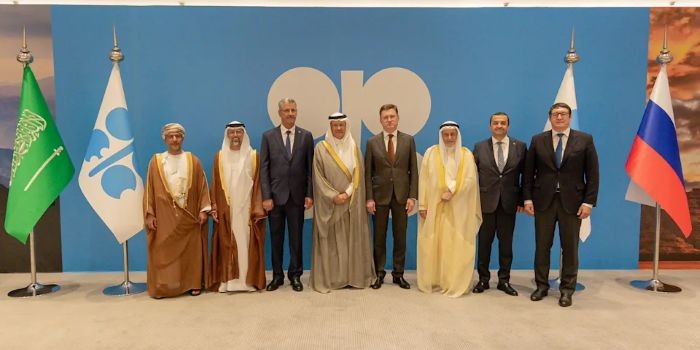
The seven core OPEC+ countries – Saudi Arabia, Russia, Iraq, Kuwait, Kazakhstan, Algeria, and Oman met virtually on Sunday to review global market conditions and outlook. They decided to keep its oil output policy unchanged for October amid global uncertainty. The decision comes after OPEC+ increased production by around 188,000 barrels per day for September, completing the rollback of a voluntary production cut of around 1.65 million barrels per day that had been introduced in 2023.The seven OPEC+ countries, which previously announced additional voluntary adjustments in April and November 2023, issued a statement saying they had decided to maintain September production for October.
The meeting comes against the backdrop of continuing disruptions to oil exports, including those linked to the conflict involving Iran and disruption around the Strait of Hormuz. These disruptions have limited the impact of OPEC+ production decisions on global oil supplies and prices. It is worth noting that the United Arab Emirates (UAE) had left the alliance in May this year, citing national interest and commitment to contributing effectively to meeting the market’s pressing needs.
OPEC+ was established in 2016, when OPEC entered into cooperation with a group of other major oil producers to manage supply and influence crude oil prices on the market. A core group has since emerged within OPEC+, with Riyadh and Moscow leading production policy. However, OPEC+ has lost some of its influence over the market. At present, the conflict in the Middle East and the wider region is driving dynamics in commodity markets. OPEC+ is expected to meet again in October to review market conditions and production levels.


Related Posts
Weekly Horoscope from 26 October to 1 November, 2026
Weekly Horoscope from 19–25 October, 2026
Foodgrain production increased by 49% in 10 years: Shivraj Singh