 Newsinc24 Team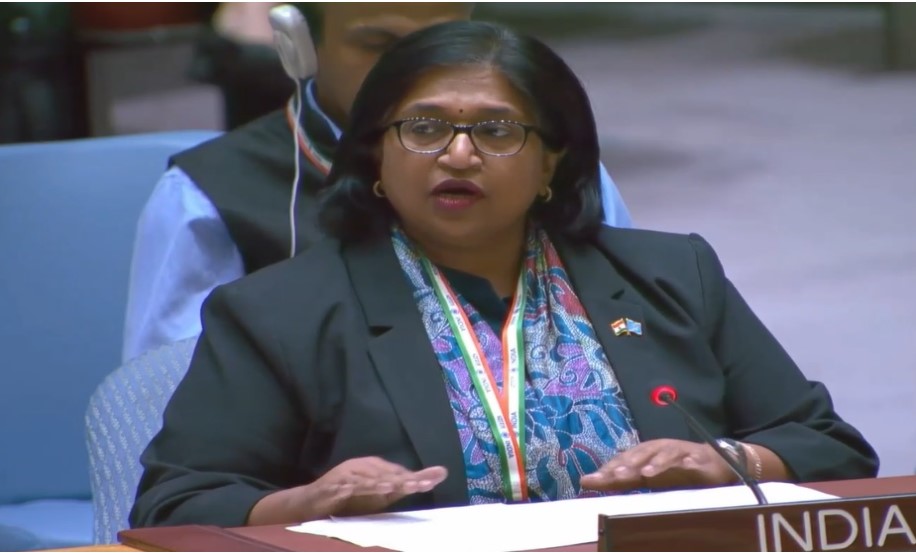
India has called for greater transparency and objectivity in the United Nations Security Council’s process of listing and delisting terrorists and terror organisations, asserting that the powerful 15-member body must not be used to pursue narrow political interests or legitimise terrorists.
According to agency reports,addressing an open debate on the Council’s working methods on Thursday, Yojna Patel, Chargé d’Affaires at India’s Permanent Mission to the UN, said Security Council membership brings significant responsibilities and should not become a platform for political manoeuvring.“Presence in the Security Council must not be instrumentalised to legitimise terrorists by attempting to de-list them or to list other entities as terrorist organisations based solely on political considerations, without any objective criteria or supporting documentation,” Patel said.She stressed the need for greater transparency and objectivity in decisions taken under the Council’s sanctions regimes, particularly those involving the designation or removal of terrorists and terror entities.
India has repeatedly criticised what it considers the opaque functioning of the UNSC sanctions committees, especially over proposals to designate terrorist groups and individuals.Patel also flagged delays in appointing chairs to several Security Council subsidiary bodies dealing with terrorism and sanctions. Eight months into the year, several committees remain without chairs amid differences among Council members, affecting their functioning.“India calls on the Security Council to urgently address this issue and finalise the Chairs on priority,” she said, calling for a “definitive and non-negotiable timeline” for completing the appointments.
According to media sources,Japan also voiced concern over the delays, with its Deputy Permanent Representative Mikanagi Tomohiro urging Council members to reach agreement through balanced, transparent, efficient and inclusive consultations.On peacekeeping, Patel highlighted the gap between Security Council decisions and the realities faced by countries contributing troops and police to UN missions. She said troop- and police-contributing countries, which go “far beyond the UNSC membership”, are direct stakeholders and should have a greater role in decisions concerning peacekeeping mandates and resources.India also reiterated its long-standing demand for comprehensive reform of the Security Council, including expansion of both permanent and non-permanent membership.Patel said the Council’s present structure reflected “the outcome of one conflict 80 years ago” and needed to be reformed to reflect contemporary geopolitical realities.
India has maintained that the reform process should advance through text-based negotiations with clearly defined milestones and timelines. However, the Intergovernmental Negotiations process has made limited progress amid continuing procedural disagreements among UN member states.






Related Items
Amit Shah chairs 31st Southern Zonal Council meeting in Kovalam
India hosts 12th BRICS Environment Ministers’ meeting in New Delhi
BRICS FMs Meeting: RBI Governor stresses central banks' key role