 Newsinc24 Team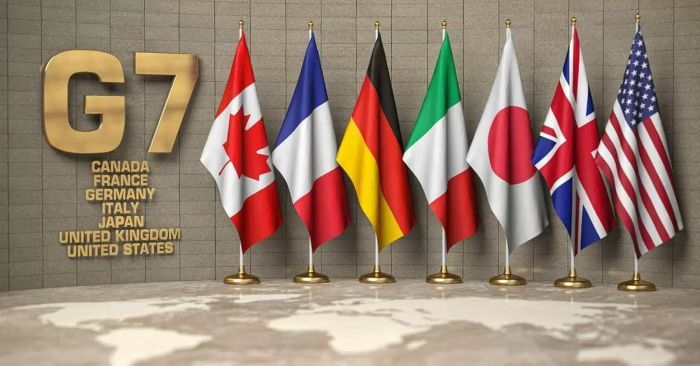
The Group of Seven (G7) nations has agreed to exempt U.S.-based multinational companies from paying higher corporate taxes abroad,according to report..The deal is seen as a significant step in addressing long- standing concerns from Washington over global tax rules introduced under the OECD/G20 Inclusive Framework on Base Erosion and Profit Shifting (BEPS).The agreement, supported by all G7 members and announced under Canada's rotating G7 presidency, introduces a “side-by-side” approach to taxation. Under this system, U.S. companies will only be taxed in their home country on both domestic and foreign profits—effectively shielding them from duplicate taxation overseas. The move recognizes the existing U.S. minimum tax framework and removes the need for additional levies under the OECD’s Pillar 2 global tax plan, such as the Income Inclusion Rule (IIR) and the Undertaxed Profits Rule (UTPR).
“The side-by-side system could provide greater stability and certainty in the international tax system moving forward,” the G7 said in a joint statement, highlighting its potential to preserve tax sovereignty and sustain momentum in combatting profit shifting and tax base erosion.The U.S. Treasury welcomed the agreement, particularly following the removal of Section 899 from the Senate’s version of the domestic tax legislation—often referred to as the “One, Big, Beautiful Bill.” The Treasury emphasized that this removal, coupled with the successful implementation of the Qualified Domestic Minimum Top-up Tax (QDMTT), laid the foundation for mutual understanding on global tax coordination.
“We look forward to discussing and developing this understanding within the Inclusive Framework,” the U.S. Treasury stated in a post on X.The agreement has also been positively received by the United Kingdom. British firms had raised concerns that the global minimum tax proposals could lead to higher effective tax rates. With the G7 deal in place, those fears have been assuaged.
Following the removal of section 899 from the Senate version of the One, Big, Beautiful Bill, and consideration of the success of Qualified Domestic Minimum Top-up Tax implementation and its impact - there is a shared understanding that a side-by-side system could preserve…
— Treasury Department (@USTreasury) June 28, 2025
G7 officials reaffirmed their commitment to collaborative policymaking and ensuring that international tax reforms are “acceptable and implementable to all.”The new deal replaces earlier tensions caused when US President Donald Trump issued an executive order stating that the 2021 global corporate minimum tax pact negotiated under the Biden administration and endorsed by nearly 140 countries would not be recognized in the U.S. Trump also threatened retaliatory tariffs on countries attempting to enforce the rules against U.S. companies, raising the risk of transatlantic tax disputes.By advancing the side-by-side framework, the G7 appears to be charting a new, more cooperative course in global tax reform—one that balances domestic tax systems with international coordination and avoids the potential for double taxation.The latest agreement is expected to serve as a basis for further dialogue at the OECD-level in the coming months.
















Related Items
India has potential to power next wave of global growth: IMF
WCEF 2026 begins in Gandhinagar with global focus on sustainability
Saudi's dilemma: Pakistan steps Back, US says no strikes on Houthis