 Ajay Chaturvedi
 Friday marks six months since the outbreak of the U.S.-Israeli war with Iran. With the U.S.-Iran memorandum of understanding signed in June expiring without a final deal, the prospects for a comprehensive resolution in the near term appear slim. The region has changed, but not in the way they had hoped. For months, both sides traded blows. In all, U.S. Central Command, which oversees forces in the Middle East, says it has hit more than 13,000 Iranian targets, which include military headquarters, naval ships, air defense systems and drone launch sites.
Iran survived the assassination of its top leaders and weeks of heavy bombing. But Iran’s most consequential response came at sea when it shut down commercial traffic through the Strait of Hormuz, turning the waterway into a household name almost overnight. The blockade choked one of the world’s most important shipping lanes and Iran dictated where the war’s frontline would be, rattling the global economy. Gulf Arab nations saw worrying gaps open up in the American security umbrella they have relied on for decades — and some are looking at alternatives.
Goalposts shifted
Three months later,the goalposts appear to have shifted. Blunting the economic fallout and reopening the strait has become central to the mission. Since the start of the war, 18 U.S. service members have died and more than 750 have been wounded. Six months in, global oil prices are up about 25% and the average gallon of gas nationwide hovers over $4 -- about a dollar more than before the war, according to GasBuddy.The war is also costing the American taxpayer. Hegseth told lawmakers this summer that the latest estimate for the cost of the war is more than $37.5 billion. Additionally, the Defense Department is asking Congress for an additional $67.1 billion for spending this year, attributing much of that demand to the war in Iran. In April, the White House also asked Congress for a record-breaking $1.5 trillion in defense spending as part of their annual budget request for the 2027 fiscal year. The White House's request for a 42% increase in the military budget included a pay raise for troops, building more ships and a rapid procurement of 12 “critical munitions," among other things.
Economic terrorism vs Economic D-Day
Iran's foreign ministry released a new statement on Friday calling the latest sanctions on the country "economic terrorism" and continuing to say they are an assault on Iranian sovereignty and in violation of the U.N. charter — both claims the country has been making for days. The statement said the imposition of sanctions "constitutes US state terrorism against Iran and the world."
Since the start of this war, the president has claimed frequently that it was nearing a conclusion, only to see deals fall apart and fighting resume. And on at least seven occasions, Trump has made threats of major military escalation,including a threat that Iran’s entire civilization would die, only to fall back on talks that have yet to bear fruit. The talks are at a standstill. Despite his early prediction the war would last no more than four to five weeks, the president, as recently as this week, said he’s in “no rush.” Recently the Trump Administration has imposed "economic D-Day."
The U.S. hasn’t waged large-scale military attacks on Iran in nearly a month. Instead, the strategy is shifting back to the economic pressures Trump employed before the attacks began. According to the latest official figures, at least 4,350 people are confirmed killed in Lebanon, 3,527 in Iran and 28 in Gulf states since the war began on February 28. A further 60 Israelis and 18 US service members have been killed in Iranian attacks. The Pentagon says 757 US personnel have been wounded. According to the Armed Conflict Location and Event Data project (ACLED), a US-based conflict monitoring group, the US and Israel have carried out at least 3,580 attacks on Iran since February 28. Over the same period, Iran carried out at least 2,053 attacks across the Gulf and the wider Middle East.
Despite a ceasefire agreement between Lebanon and Israel that took effect on April 17 and was renewed on June 26, Israeli forces continue to occupy parts of Lebanon and carry out attacks.Fighting resumed on March 2, after Iran-backed Hezbollah fired at Israel in support of Tehran, three days into the US-Israeli war on Iran. Israel responded with a major offensive in Lebanon, killing at least 4,350 people over the months since and leaving 12,510 injured, according to Lebanon’s Ministry of Public Health.
Around 6,000 sailors still trapped Hormuz
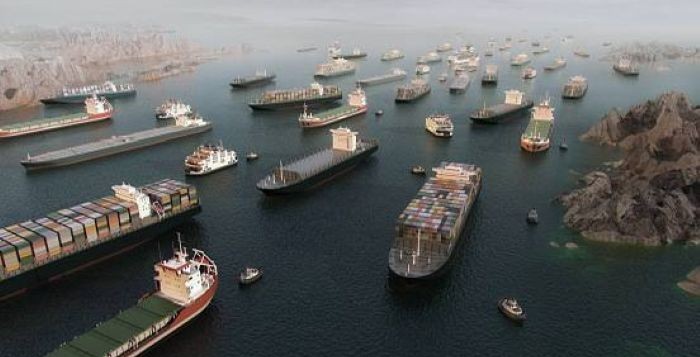
Around 6,000 sailors on 400 ships are still unable to leave the Strait of Hormuz, the United Nations' International Maritime Organization said Friday. "Thousands of seafarers in the region continue to live and work under conditions of heightened risk and uncertainty," IMO Secretary-General Arsenio Dominguez said, providing the figures in a statement marking six months since the war's start. He said the conflict was still causing major disruptions to vital supply chains for fuel and other commodities, with consequences around the world. "The deterioration of maritime security around the globe — from the Black Sea to the Red Sea and Gulf of Aden — is detrimental to us all," Dominguez said. "But it is particularly distressing for the thousands of innocent seafarers affected." At least 19 mariners have been killed in the region since Feb. 28, when the U.S. and Israel jointly launched the war on Iran.















Related Items
China rejects US sanctions on Iran, calling them illegal, unilateral
Iran collapsing:Trump after new economic onslaught,Tehran rejects
US vows ‘Economic D-Day’ as Iran threatens oil export halt