 Newsinc24 Team
Cambodia and Thailand have agreed to an "immediate and unconditional ceasefire" starting at midnight local time (12 p.m. ET Monday), Malaysian Prime Minister Anwar Ibrahim said on Monday, following days of deadly clashes along the disputed border of the two southeast Asian countries, according to Malaysia's state media.The agreement was reached after Cambodian Prime Minister Hun Manet and acting Thai Prime Minister Phumtham Wechayachai held talks at the Prime Minister's official residence in Putrajaya, just south of Kuala Lumpur, the Bernama news agency reported.
According to Malaysia, which mediated the discussions, the two sides will hold a meeting of regional commanders from both the Cambodian and Thai militaries on July 29 to follow up on the ceasefire. The border violence has claimed at least 35 lives and left more than 200 injured, based on figures from Thai and Cambodian officials. Both nations have accused each other of initiating the latest round of hostilities. "The dispute over their border goes back decades," CNN reported.Both sides also agreed to resume direct communications between Prime Ministers, Foreign Ministers, and Defence Ministers.
Cambodia and Thailand agree to an immediate and unconditional ceasefire — takes effect from midnight tonight https://t.co/y4Hn3BYfMj pic.twitter.com/uI25cJUY7S
— RT (@RT_com) July 28, 2025
Malaysia, currently chairing the Association of Southeast Asian Nations (ASEAN), has offered to mediate the crisis, which has claimed over 30 lives in recent days, including civilians from both countries. US Ambassador to Malaysia Edgard Kagan and Chinese ambassador to Malaysia Ouyang Yujing also attended the meeting as per Bernama. The US was a co-organiser of the meeting while China was an observor. PM Hun Manet and Acting PM Phumtham Wechayachai have expressed their positions and willingness for immediate ceasefire and return to normalcy as per a joint press release on the special mneeting released by the Malaysia's foreign ministry.
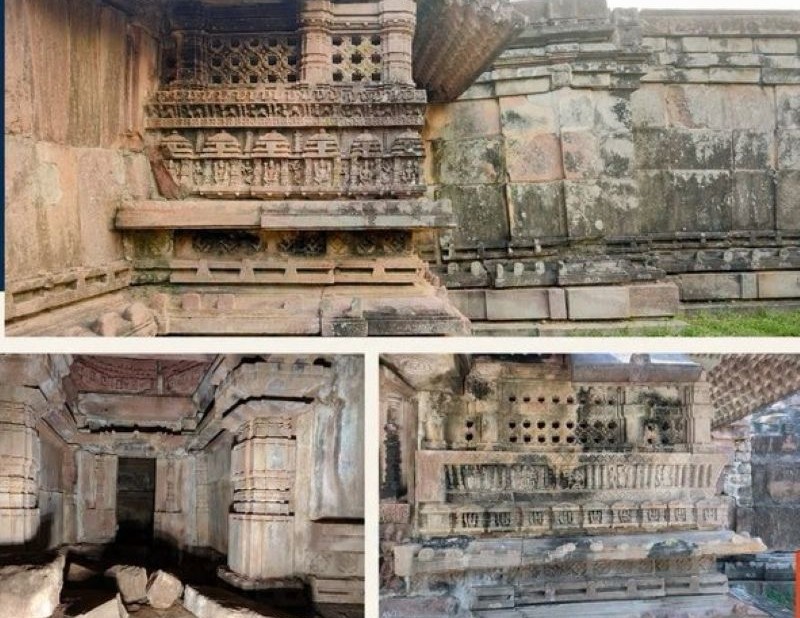
The long-standing border dispute primarily revolves around sovereignty claims over historic sites, particularly the ancient Hindu temples of Ta Moan Thom and Preah Vihear. Although the International Court of Justice in 1962 ruled that Preah Vihear belongs to Cambodia, tensions flared again in 2008 when Cambodia sought UNESCO World Heritage status for the temple, leading to years of sporadic clashes.







Related Items
China rejects US sanctions bill, opposes 'long-arm jurisdiction'
US House passes Russia sanctions bill, China, India on target
India rejects Pakistan-China Boundary Commission as legally invalid