 Krishan Gopal Sharma
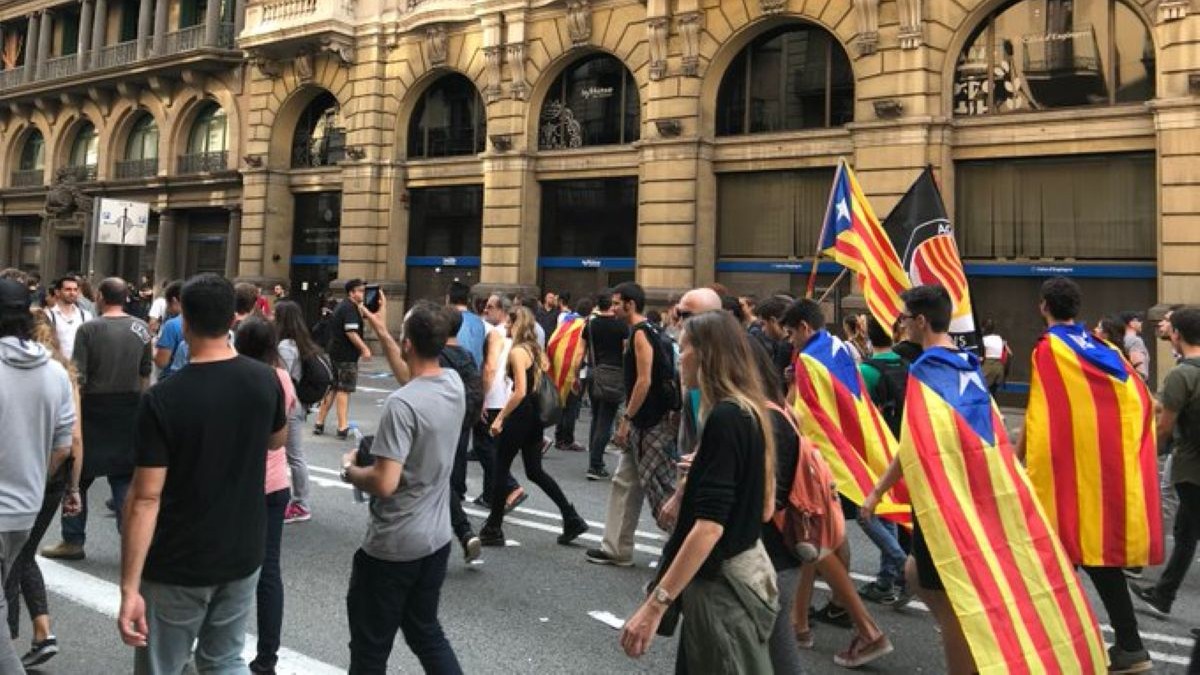
This autumn, young people have been out on the streets of Paris, Athens, Tirana, Berlin and New Delhi at the same time. Nobody scheduled it, and no single hand is behind it. Yet the timing is not an accident, and it would be a mistake to treat each city’s trouble as a purely local story.
Old anger
Most of this anger was already there. In France it began in late September at high schools in the poor northern suburbs of Paris, over absent teachers and crumbling buildings. Within weeks hundreds of schools were affected, and by 17 October the movement had been joined by farmers, pensioners and trade unions. Cars burned in Paris, a town hall was set alight in Limoges, and the government counted its arrests in the thousands.
For readers who have not followed French politics, the Yellow Vests, the gilets jaunes, are a leaderless movement that erupted in 2018 over a planned fuel tax. The name comes from the high-visibility vests French drivers must keep in their cars, which protesters wore as a uniform. It drew people from small towns and the countryside who felt the cost of living was crushing them while Paris looked the other way, and it rattled President Macron’s government for months. That the vests have reappeared on the roundabouts this October, called back by messages on social media, shows how little of that anger was ever settled.
Elsewhere the story is much the same. Greek students pitched tents outside parliament because they can no longer afford rent. In Tirana, conditions at the universities drove days of street clashes. Students in Berlin blocked school gates in solidarity with their French counterparts. None of this was caused by a war. Underfunded schools, unaffordable housing and years of austerity are choices that governments made, and a generation grew up inside the results. A state that lets classrooms rot and then professes surprise when teenagers set bins on fire has little right to be shocked.
The spark from outside
What changed this year is the price of nearly everything. The United States and Israel attacked Iran on 28 February, and shipping through the Strait of Hormuz, which carried a fifth of the world’s oil trade before the war, was thrown into disarray. By late September diesel in Europe was costing more than two euros and thirty cents a litre. The strain landed on a continent that had barely recovered from the energy shock that followed Russia’s invasion of Ukraine.
The people paying for this were not asked. European leaders called the Iran war “not our war”, and on the question of who chose it they were right. In the United States itself the war began with only about a fifth of the public behind it, and polls since have turned further against it. A war that unpopular, started by a handful of leaders, whose cost is passed on to truckers, farmers, students and pensioners in countries with no vote in the matter, is hard to describe as anything but a war of choice. The same can be said of the invasion of Ukraine. Those who start wars rarely pay for them.
Oddly, the anger has not come out as anti-war marches. Analysts have noted how muted those have been compared with the protests over Gaza or Ukraine, and they blame fatigue and a sense of powerlessness. People are protesting the price of fuel and rent, not the war that pushed them up, though the two are closely tied. The war did not create these protests. It helped light them.
India, a different story
India fits awkwardly into this picture. Its fuel bills have surely felt the shock, but what has brought young people out is a revision of the voter lists that has removed more than 130 million names since last year. Demonstrators want the chief election commissioner to resign. They are building on a summer of agitation over leaked exam papers, which cost the education minister his job. The government rejects the criticism as interference in its internal affairs, yet whether the revision favours the ruling party, as protesters and opposition parties charge, is a question the authorities have not put to rest. UN experts have asked India to stop using excessive force on demonstrators. Here the blame is nearly all domestic. The war is at most a weight laid on top of an electoral grievance.
It is worth asking why the young are the ones at the front. They have the thinnest cushions. They rent rather than own, they are the first to lose casual work when prices bite, and they have spent their short adult lives hearing that public services must be trimmed to keep budgets in order. When fuel and rent climb together, they feel it within weeks, and they have the time, the numbers and the mobile phones to turn that feeling into a march. Older people share the anger but carry more to lose by standing in front of a police line. That is why the first blockades were at school gates and not at factory gates, and why governments that dismiss the crowds as troublemakers are reading the situation badly.
A grimmer road ahead
Much of the worry now comes from words rather than shots. This month Donald Trump said America could “soon finish the job” in Iran and publicly backed Benjamin Netanyahu ahead of Israel’s election, while Tehran promised a severe response to any attack. The ceasefire that began in April has survived repeated clashes, but Hormuz remains disrupted, and at least one major bank now assumes shipping trouble will last into 2027. Markets and households react to threats because they believe them.
For ordinary people that means costlier fuel and food through a European winter, ahead of elections in France, Italy and Poland next year. Far-right parties are already gaining from the anger, and Marine Le Pen has made fuel prices an election issue. Leaders who trade threats for domestic advantage should remember that someone else always settles the bill.
What it adds up to
Was it mutual inspiration? In part. Berlin students blocking gates for their French counterparts is real solidarity, and social media passes tactics around freely. But copying only works where the ground is already dry. The wars lit the fuse, years of neglect laid the powder, and a shared school calendar brought everyone back to the same streets at the same moment.
The blame, then, is not hard to place. Leaders who chose these wars answer for the shock their choices sent around the world. Governments that ignored schools, rents and wages answer for the anger it found waiting. Neither can borrow the other’s excuse. Until the wars wind down and public money returns to what ordinary people depend on, this autumn is more likely to prove a preview than an ending.
(Author: kgsharma1@gmail.com; The writer is a retired officer of the Indian Information Service and a freelance writer. Also worked as an international media consultant with UNICEF Nigeria and contributes regularly to various publications.)
Related Posts
Delhi launches trial of first Yamuna river safari
Om Birla inaugurates 12th BRICS Parliamentary Forum in New Delhi
Delhi NCR gets new air pollution analysis facility