 Farwa Aamer
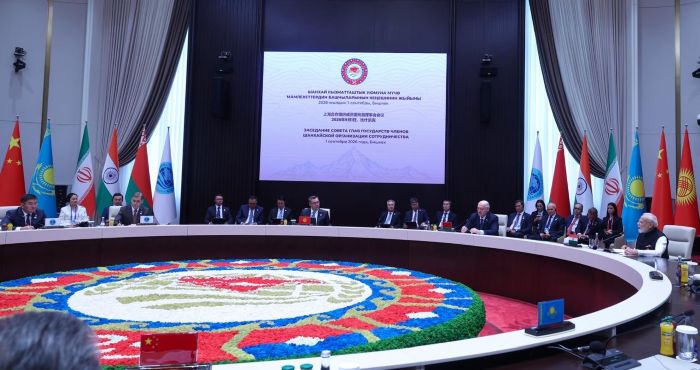
"The SCO convened at a complex time when members are not only navigating internal tensions but also the unpredictability of ties with the United States, economic repercussions from the Iran War, and a rapidly shifting regional landscape. Chinese influence in the SCO and wider Eurasia was evident, but once again, the sidelines took most of the spotlight.
The summit was important for Iran, especially given close ties with Beijing, as it followed U.S. 'economic D-Day' threats. Iran is looking to mobilize support from fellow members and would likely make the same ask when the BRICS summit convenes in a few weeks. The anti-West signaling, while avoided by some, will find its way into these summits.
Countries like India — not keen on any anti-West rhetoric — used the SCO to reiterate their strategic autonomy and engage bilaterally with Russia, Iran, and Central Asian stakeholders. Nothing here is to further complicate ties with the United States, but more to ensure its web of partnerships sustains its growing international clout, especially as relations with Washington remain rocky.
An emboldened Pakistan also came to the SCO following a major first meeting of the Mecca Defense Alliance and its role as the key U.S.-Iran mediator. As the host next year, Pakistan is going to look to this platform to forward its own strategic goals: Maintain strong ties with China and keep Iran, Russia, and other members engaged even if dynamics with India complicate consensus.".
(Farwa Aamer-Director of South Asia Initiatives, ASPI, New York)

Related Posts
India pushes for BIOFIN, tech transfer & global cooperation
India-EU investment protection agreement under discussion: Goyal
Mirabai Chanu to lead India at world weightlifting c'ships in China