 Newsinc24 Team
 US President Donald Trump on Wednesday announced steep tariffs on imported generic medicines from August 2028, asserting that the move is aimed at onshoring the manufacturing of such pharmaceutical products. The move could affect India, which is the largest exporter of generic drugs to the US. In a post on Truth Social, Trump said beginning August 1, the US will continue to have a zero per cent tariff on all generic drugs brought into the country for two years, after which it will be raised to 100 per cent for one year, and 200 per cent thereafter."The objective of this Policy is to protect the people of the United States," Trump added, while noting that the administration's policy on patented, branded and innovative drugs would remain unchanged.
India is the largest supplier of generic medicines to the US. Indian drugmakers export around $9-10 billion worth of generic medicines to the American market every year, accounting for nearly 40% of all generic medicines used in the US. According to India's commerce ministry, pharmaceutical exports to the US stood at $10.5 billion in 2024-25, making medicines one of India's top export categories to America. A Global Trade Research Initiative (GTRI) report also estimated that India exported $9.7 billion worth of pharmaceuticals to the US in 2025, accounting for 38% of its global pharmaceutical exports.
Indian-made generic medicines are widely prescribed in the US for treating hypertension, diabetes, cancer, infectious diseases and mental health conditions. India and the US had agreed in February to pursue "negotiated outcomes" on generic pharmaceuticals and pharmaceutical ingredients as part of their broader trade discussions. Whether those negotiations result in exemptions or lower tariffs for Indian manufacturers is yet to be known.











Related Items
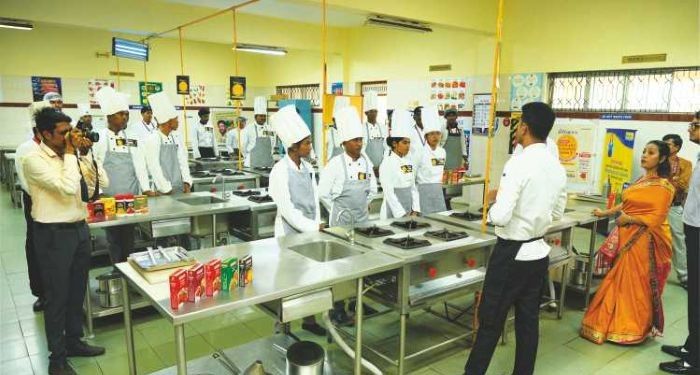
Beyond Diplomacy, India serves BRICS leaders a culinary journey
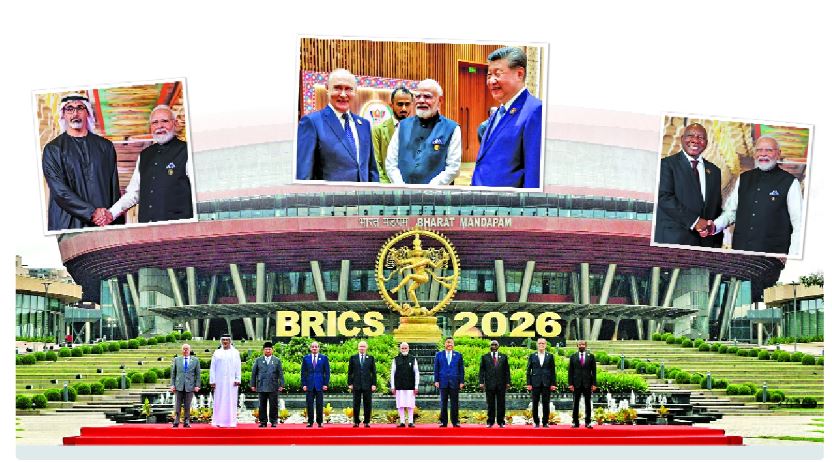
India passes BRICS Baton to China, PM Modi seeks Declaration action
BRICS declaration flags nuclear risks, tariffs, condemns J-K terror attack