 Ira Singh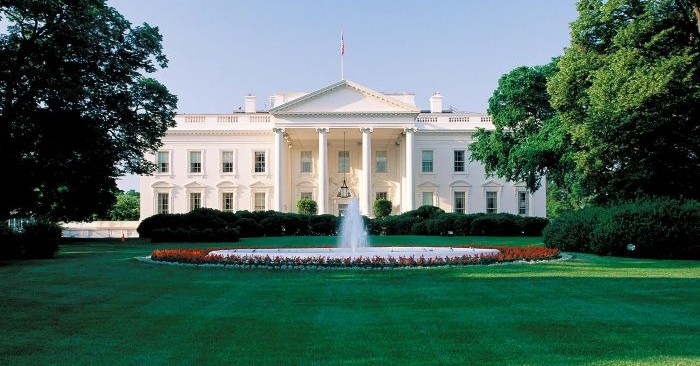
The United States is once again on the edge of a government shutdown as time runs out to strike a funding deal. With the current fiscal year ending at midnight on Tuesday, lawmakers are under mounting pressure to avert a disruption that could affect millions of Americans, halt federal services, and shake the US economy. This year’s potential shutdown stands out not only because of the stakes involved but also due to clashes between President Donald Trump and congressional Democrats over healthcare and federal spending.While shutdowns have become an almost routine occurrence in recent decades, the current standoff carries unique challenges and consequences that go beyond past disputes.The White House has warned federal departments to prepare for “reduction-in-force” plans, including potential mass layoffs, particularly affecting programs not legally obligated to continue during a shutdown. Without a spending agreement, major portions of the federal government will halt operations, suspending non-essential services until Congress acts.After meeting with Schumer and Jeffries, JD Vance says he believes there WILL be a government shutdown, as Democrats demand "free" healthcare for illegals.
BREAKING: After meeting with Schumer and Jeffries, JD Vance says he believes there WILL be a government shutdown, as Democrats demand "free" healthcare for illegals
— Nick Sortor (@nicksortor) September 29, 2025
NO FREE HEALTHCARE FOR ILLEGALS! DO NOT BUDGE, 47!
VANCE: "They're basically saying to the American people,… pic.twitter.com/Bub4yXhzCt
What is the Crisis at US Congress?
Congress’ failure to pass the 12 annual appropriations bills has brought the United States to the brink of a government shutdown. These bills are needed to fund most federal agencies for the new fiscal year, which begins October 1. Normally, Congress bundles these bills into a single package to speed up the process, but so far, none have been approved.Earlier this year, a large funding bill passed by the Republican-led Congress provided money for certain key departments, including the Department of Defense and the Department of Homeland Security. These agencies would continue functioning even if other parts of the government run out of money. For most others, however, operations would be disrupted once funding lapses.Ahead of the deadline, both parties have floated proposals for temporary measures to keep the government open while negotiations continue. Democrats suggested a short-term extension lasting seven to ten days, while Republicans have pushed for a stopgap measure extending funding through November 21. Neither side has agreed to the other’s timeline.Senate Democratic Leader Chuck Schumer highlighted the depth of the divide, remarking that the two sides “have very large differences.” House Democratic Leader Hakeem Jeffries echoed this sentiment, stressing that Democrats will not support a plan that undermines healthcare protections. Republicans have scheduled a vote for Tuesday on their temporary funding proposal, even though it has already failed once in the Senate. As the deadline approaches, each side is preparing to blame the other should the government shut down,according to information
Impact on Government Services
During a shutdown, hundreds of thousands of government employees could be furloughed or required to work without pay. Essential services such as social security, military duties, immigration enforcement, and air traffic control will continue. However, other functions including food safety inspections, immigration hearings, and certain air travel operations—may be delayed or disrupted.While the broader economy may not feel immediate effects, a prolonged shutdown could slow growth, unsettle markets, and erode public confidence.
Historical Context
This is not the first US government shutdown. In 2018, a 34-day impasse between then-President Trump and Democrats affected about 800,000 federal employees, according to The Guardian. Earlier, in 2013, the government shut down for 16 days due to Congress failing to pass a budget for the new fiscal year.
Current Situation
The looming shutdown for October 1, 2025, stems from the lack of agreement on a short-term funding bill. The White House’s Office of Management and Budget has advised agencies to prepare for permanent layoffs in programs that may lose funding. A recent memo stated: “Programs that did not benefit from an infusion of mandatory appropriations will bear the brunt of a shutdown, and we must continue our planning efforts in the event Democrats decide to shut down the government.”
Political Standoff
The current impasse follows Senate rejection of competing stopgap measures after the Republican-controlled House narrowly passed a funding bill with just one Democrat in support. President Trump recently canceled meetings with Democratic leaders, dismissing their demands as “unserious,” drawing sharp criticism from Senate Minority Leader Chuck Schumer and House Minority Leader Hakeem Jeffries.House Speaker Mike Johnson blamed Democrats for “partisan demands” that threaten a shutdown, while Schumer said a serious negotiation could still prevent the closure. Jeffries, meanwhile, vowed that Democrats “will not be intimidated” by threats to federal employees,according to information.As the October 1 deadline approaches, the nation watches closely, with the potential shutdown threatening government operations, employee livelihoods, and broader economic stability.
(Asstt.Editor)














Related Items
AAP Leader Satyendar Jain arrested over corruption in DJB tenders
UK Reform leader Farage faces renewed probe after by-election win
Karoline Leavitt to step down as White House press secretary