 Newsinc24 Team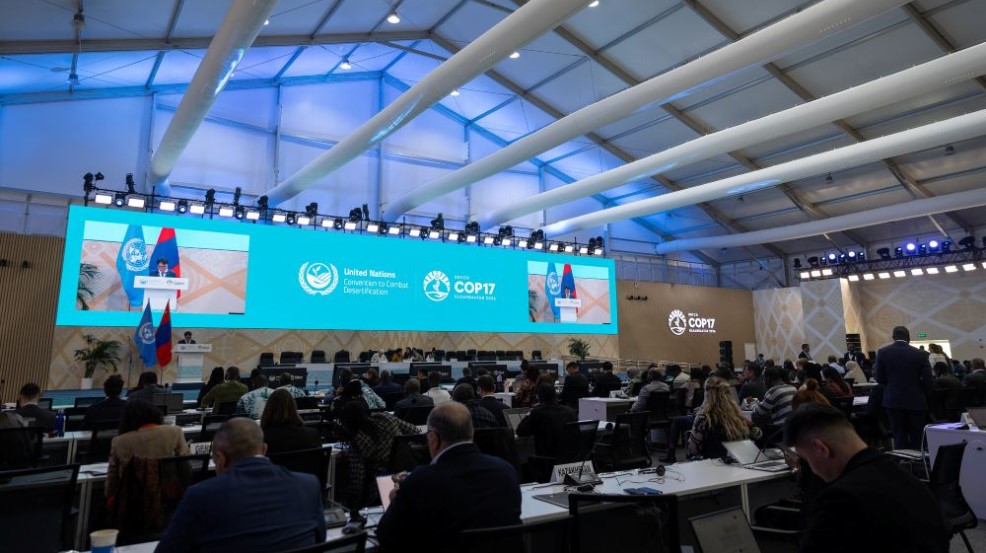
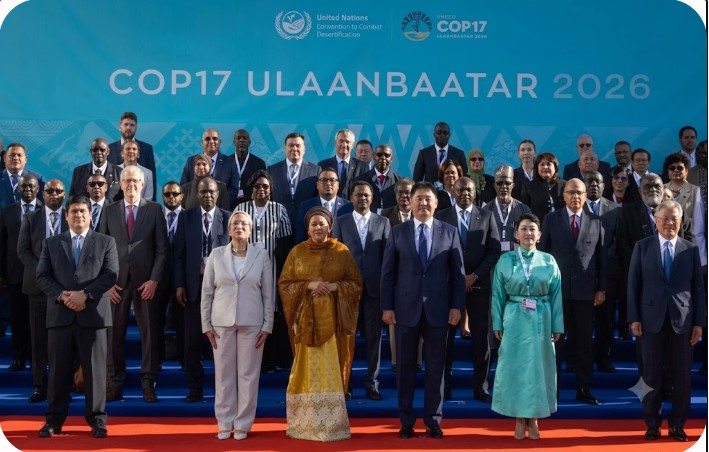
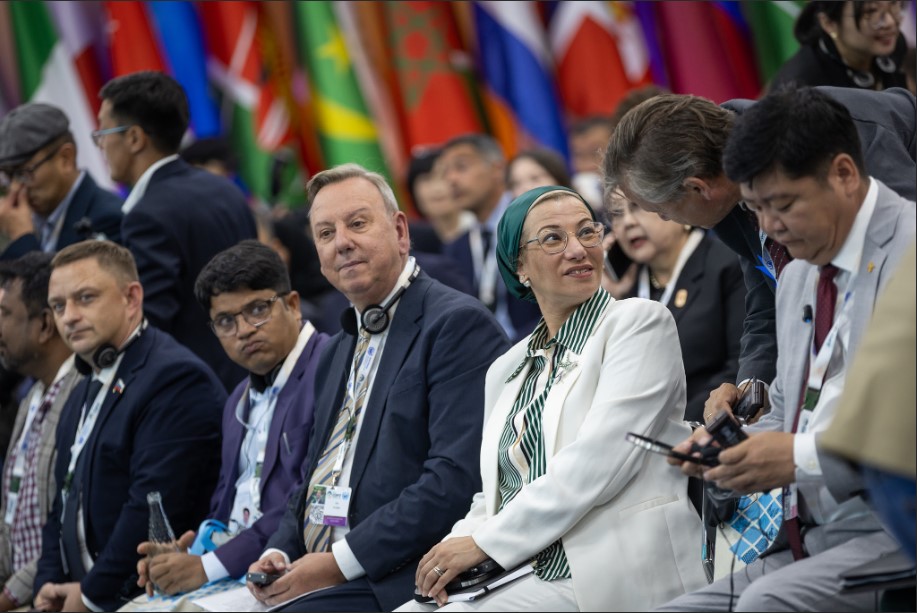
The 17th session of the Conference of the Parties to the United Nations Convention to Combat Desertification (UNCCD COP17) concluded in Ulaanbaatar on Friday after two weeks of negotiations focused on tackling land degradation, desertification and drought.The conference brought together representatives of the UNCCD’s 197 Parties and placed implementation at the centre of discussions, with a focus on political action, scientific evidence, finance, investment-ready projects and partnerships, according to agency reports.
Held during the United Nations International Year of Rangelands and Pastoralists, COP17 also placed rangelands at the centre of the global land agenda. Rangelands cover about 54 per cent of the Earth’s land surface, support around two billion people and are managed by approximately 500 million pastoralists.A major outcome was the Rangelands Flagship Initiative, which brings together a portfolio of US$1.2 billion across 45 projects. The initiative aims to support sustainable rangeland management, restoration and pastoralist livelihoods.Governments, development banks, funds and companies also announced a US$1.3 billion portfolio of finance for land restoration and drought resilience across 23 countries on five continents. Of this, US$644.5 million has been identified as new finance, including US$216.4 million that has already been confirmed and is moving towards implementation.
UNCCD Executive Secretary Yasmine Fouad stated the conference had delivered several elements needed to move from commitments to implementation, including political decisions, stronger science, innovative financing mechanisms, investment pipelines and partnerships.She said the true legacy of COP17 would depend on whether countries become better prepared for drought, degraded land and rangelands are restored, finance reaches viable projects and communities managing the land see tangible improvements.
Mongolia, which hosted COP17, highlighted its Steppe Plan as a key policy legacy of the conference. Under the plan, the country launched three international initiatives: the Rangelands Flagship Initiative, the Water-Land Nexus Initiative and the Nature-based Solutions for Sustainable Infrastructure Initiative.The conference also highlighted progress towards Land Degradation Neutrality (LDN). Brazil presented a new voluntary LDN target for 2030 comprising 17 sub-targets linked to national policies and programmes.
The Brazilian target includes the recovery or restoration of more than 163,000 square kilometres, including through native vegetation recovery and agroforestry systems. Another 3.51 million square kilometres are covered by measures aimed at preventing degradation through conservation and sustainable land management.Central Asia also reported progress, with all five countries having adopted voluntary LDN targets and half of those targets already achieved. However, more than 80 million hectares in the region, representing over a quarter of its land, are already degraded and affecting around 24 million people.On drought resilience, Parties agreed to continue discussions at COP18 with a view to adopting a decision on proactive drought management at all levels. Drought will remain a stand-alone agenda item at COP18 and subsequent ordinary sessions.
The Riyadh Global Drought Resilience Partnership, established at COP16, also moved closer to implementation during COP17. Its first Assembly of Partners advanced work on a proposed pooled fund aimed at supporting around 70 low- and lower-middle-income countries through capacity building, investment-ready programmes and drought resilience financing.UNCCD and Luxembourg also launched the Drought Resilience Investment Facility (DRIF), which aims to mobilise up to US$400 million in public and private capital for investments in water security, sustainable agriculture, nature-based solutions and land restoration.The second phase of the International Drought Resilience Observatory introduced the Drought Resilience Index, providing countries with a tool to assess their capacity to anticipate, prepare for and adapt to drought and improve the targeting of policies and investments.Finance remained a central issue at the conference. Around US$355 billion a year is estimated to be required through 2030 to meet global land restoration commitments, compared with approximately US$77 billion currently being invested, leaving an annual financing gap of about US$278 billion.
Participants discussed ways to make land restoration, soil health and drought resilience more visible within existing nature-finance frameworks. They also explored greater use of guarantees, first-loss capital, insurance and project-preparation facilities to develop investment-ready restoration projects.Mongolia launched its first national Business 4 Land (B4L) Hub, alongside sustainable finance principles, a national green taxonomy and a target for 10 per cent green lending by 2030. Russia also launched a national hub, while Luxembourg announced plans for a B4L Foundation and Germany backed a B4L Finance Expert Group.COP17 further highlighted the economic importance of rangelands. New analysis presented at the conference estimated that rangelands generate US$21 trillion to US$47 trillion in ecosystem services each year through food production, water, carbon storage and biodiversity.The conference also recognised pastoralists as important stewards of rangeland ecosystems and highlighted the importance of their knowledge, experience and transboundary mobility.The first formal meetings of the UNCCD Indigenous Peoples Caucus and Local Communities Caucus were also held at COP17 following the decision taken at COP16 to establish the two bodies.The conference featured the largest representation of Indigenous Peoples in the history of a UNCCD Conference of the Parties. Participants called for stronger land and mobility rights, greater direct access to finance and meaningful participation in decision-making.
Discussions also highlighted the role of women and young people in land restoration and drought resilience, with calls for greater investment in youth-led initiatives and stronger participation in policymaking.The next UNCCD Conference of the Parties, COP18, is expected to be held in Egypt in 2028. It will provide the next major opportunity for countries to assess progress on land restoration and drought resilience and build on the outcomes of the Ulaanbaatar conference.













Related Items
India signs pact with US to buy Javelin anti-tank missile systems
India-Kuwait JDC holds inaugural meeting in New Delhi
India's forex reserves hit record $729 bn after $12.4 bn weekly jump