 Newsinc24 Team
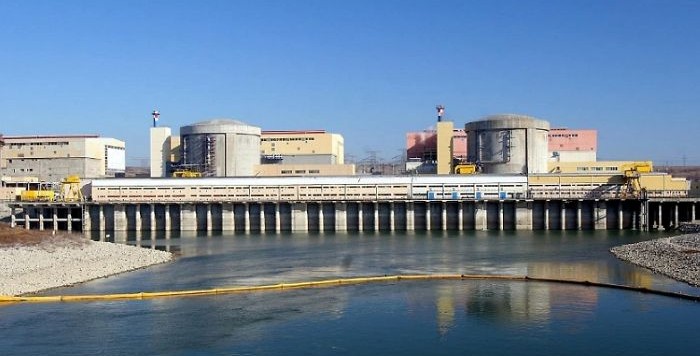
 Romania has begun a controlled shutdown of the second reactor at its Cernavoda nuclear power plant as severe drought continues to affect much of Europe. Plant operator Nuclearelectrica said scorching temperatures and weeks of below-average rainfall have pushed the Danube River to record-low levels. The conditions forced the plant to shut down its first reactor in late July this year. Drought and record-low water levels have deepened fears of an energy crisis across Europe, which is facing a new summer heatwave.Now, Romania has been forced to shut down the last working reactor-a rare move that will immediately affect power supplies in neighbouring Moldova.
The company said it needed to shut the second reactor “due to the significant and ongoing drop” in the river’s water level, and it did not foresee a restart in within the next 10 days. Nuclearelectrica’s two 706-megawatt reactors account for 20% of the country’s power output. Romania has declared a state of energy emergency throughout August and asked companies and households to reduce consumption during peak hours. The plant accounts for around 20 per cent of Romania’s electricity generation when operating at full capacity. The country’s Ministry of Energy has said the country’s electricity needs can be met through alternative sources and imports following the shutdown of the second reactor.
Shutting down the reactor posed immediate problems for Moldova, Romania’s eastern neighbour, which has also endured low river levels and relies on Romanian power to cover up to 60% of its own electricity shortages.
The drought has hit nuclear power providers across Europe. France, which uses nuclear power to generate about 70% of its electricity, recorded a more than 20% shortfall in atomic production capacity this week, a record deficit caused by outages linked to drought, extreme heat and a jellyfish invasion, according to Agence France-Presse calculations based on Électricité de France (EDF) data. In total, 13 of the 57 reactors in EDF’s nuclear fleet were affected.
The drought in Europe has been exacerbated by human-induced climate change, according to the World Weather Attribution group of scientists, who warn that the problem will worsen. The low levels of the Danube, Europe’s second-longest river, have also severely affected shipping along its 2,850km (1,770 mile) route stretching from western Germany to the Black Sea.




_(5).jpg)










Related Items
Trump willing to end Iran war without nuclear deal:Report
India test-fires nuclear-capable Agni-4 ballistic missile
Trump clears nuclear deal with Saudi Arabia without global safeguards