 Newsinc24 Team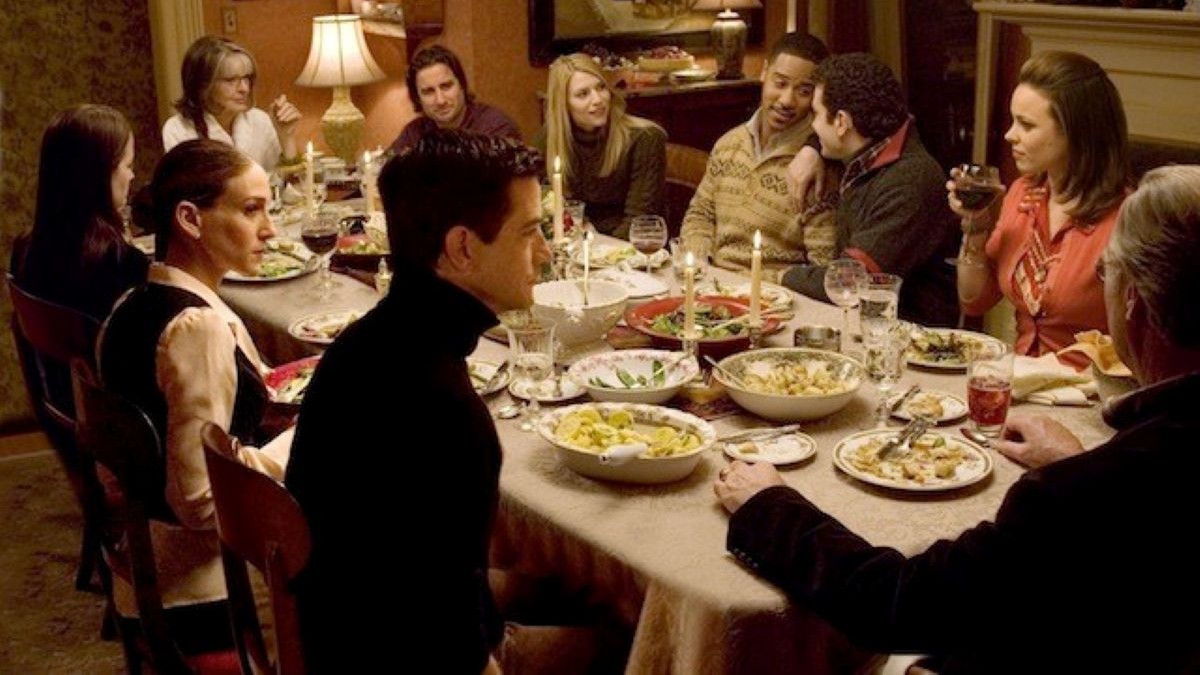
There was a time when a state dinner was simply that: dinner.
It was an occasion for hosts and visiting dignitaries to sit around a table, exchange pleasantries, raise a toast or two, and, one hopes, eat something reasonably memorable. The menu was expected to reflect the hospitality of the host country, perhaps introduce the guests to a few unfamiliar flavours, and provide something to talk about other than geopolitics.
But times have changed. We may now be entering the age of menu diplomacy, where what is placed on the dinner plate is examined with almost the same seriousness as what is placed on the negotiating table.
The recent BRICS dinner in Delhi provided a delicious example.
The menu, as reported, was entirely vegetarian and showcased an impressive range of Indian cuisine: khandvi mille, khumb galouti, paneer lababdar, Himalayan gucchi, millet pulao, thakkali bele saaru, jalebi and shahtoot phirni. One might have thought that foreign dignitaries had been invited to sample something of India beyond the conference room.
Instead, the menu became political fodder.
Why no meat? Was the dietary preference of the government being imposed upon the guests? Was this representative of India? Was it an attempt to tell the world what Indians ought to eat? Political opponents weighed in, and suddenly the humble dinner plate acquired ideological significance.
Imagine hosting a diplomatic dinner and wondering, not whether the gucchi will be a welcome novelty, but whether it will be interpreted as a political statement.
Perhaps we should henceforth have a Menu Commission. Every dish would need clearance. The paneer would have to establish its secular credentials. The biryani would have to disclose its political affiliations. The jalebi might be accused of populism. Millets could be charged with government propaganda. And if chicken appeared on the plate, someone would inevitably ask why it was not mutton.
The absurdity, of course, lies in assuming that a state dinner must be a statistical representation of the host country’s eating habits.
It need not be.
A state dinner is hospitality. And hospitality, by its very nature, involves offering a guest something that is yours. When you visit a home, your host does not normally conduct a survey of everything you eat at home and reproduce it on the dining table. The pleasure lies precisely in being offered something different.
Why should diplomatic hospitality be any different?
If an Italian host serves pasta, should a visiting dignitary demand rice because rice is eaten by more people in his country? If a Japanese host serves sushi, must there also be a roast chicken to ensure dietary inclusiveness? If a Chinese host serves Peking duck, should somebody complain that the duck does not adequately represent the country’s vegetarian traditions?
The world would become a rather dull place if every host served the guest what the guest already ate at home.
Diplomacy, after all, is not merely conducted across conference tables. It also takes place across dining tables. Food has always carried something of a civilisation with it. A meal can introduce a guest to a country’s tastes, history, agriculture and imagination without requiring a single speech.
That does not mean every guest will like everything. Nor does it mean that a host should be insensitive to dietary restrictions or preferences. Good hospitality requires both generosity and consideration.
But there is a considerable difference between accommodating a guest and turning the host’s menu into a political manifesto.
And perhaps we should also remember that foreign leaders do, in fact, eat food in their own countries.
They know what a steak tastes like. They know chicken. They know fish. They have probably encountered pasta, bread and potatoes before. What they may not have encountered is Himalayan gucchi, a particular Indian preparation of paneer, or a dessert made with shahtoot.
Why deny them the experience?
There is something rather endearing about a country saying, in effect: You have travelled a long way to meet us. Before you leave, taste something of what we are.
If that is cultural assertion, perhaps it is the most harmless form of assertion imaginable.
The truly remarkable thing about the BRICS dinner controversy is not what was served. It is that what was served became more controversial than what was discussed at the summit.
The world may be worrying about wars, tariffs, artificial intelligence, energy, climate change and the future of the global order. We, meanwhile, are examining the dinner plate.
Perhaps this is the next frontier of political debate.
Soon, perhaps, a visiting head of government will be handed the menu with the same caution with which a diplomat is handed a treaty. The protocol officer might whisper:
“Your Excellency, do be careful. The chicken could be construed as majoritarian, the paneer as ideological, the millet as strategic, and the shahtoot phirni as an attempt at cultural imperialism.”
And the safest course for a visiting dignitary?
Eat the dessert. At least let us agree that sweetness is still above politics.
(Uday Kumar Varma is an IAS officer. Retired as Secretary, Ministry of Information & Broadcasting)
:
Related Posts
Beyond Diplomacy, India serves BRICS leaders a culinary journey
World leaders, delegates attend gala dinner hosted by PM Modi
The Quiet Rooms of Diplomacy