 Newsinc24 Team
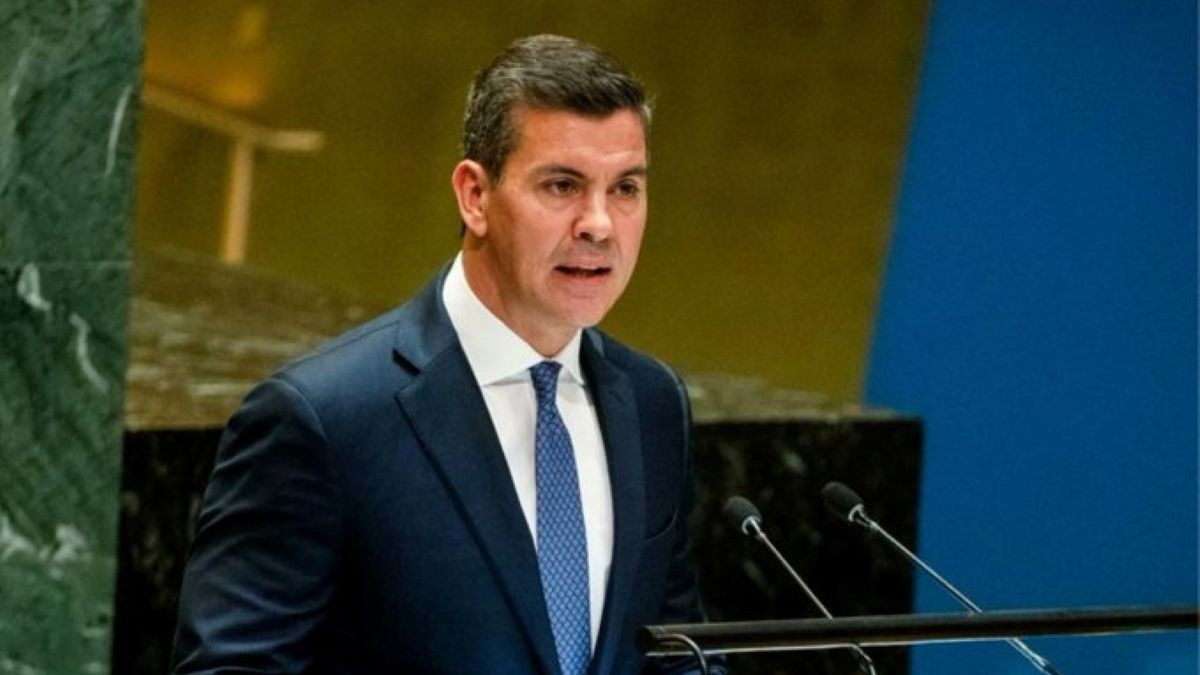
Paraguay's President Santiago Peña has been impeached and placed under house arrest after a bank collapse triggered a crisis that left more than half of the country's population without access to their accounts. Peña was arrested on Friday minutes after lawmakers, including from his own party, unanimously voted to remove him from office following the collapse earlier this week of Ueno Bank, which has links to his private business interests. Rather than accept his resignation, senators impeached Peña and charged him with misconduct.Peña's impeachment passed with 44 out of 45 senators voting in favour of it. One lawmaker was absent.
Peña's deputy, Pedro Alliana, has been sworn in as the new interim president and promised not to "abandon" the millions of people affected by the scandal. Peña, who until last year held shares in the company that owned the bank, has denied any wrongdoing. Ueno Bank, a digital lender with close ties to his government whose failure locked nearly half the country’s 6 million people out of their savings. It took four days for Ueno’s collapse to end what had been seen as one of South America’s most stable presidencies. His defence lawyer Ricardo Preda described the allegations as a "reckless accusation" that was "irresponsible and opportunistic".
Ueno grew in a few years from a finance company into one of Paraguay’s largest banks by deposits. It courted poor and unbanked customers with supermarket rebates, and by its own count, had about 3 million customers, around 60% of the country’s adults. It grew to more than 70 locations and sponsored the national football team and the country’s main stadium. Public money fuelled this expansion. In October, Ueno reported holding roughly $800 million in public deposits, about a quarter of its total, including money from the state pension and health fund and from the operators of Paraguay’s hydroelectric dams.
The central bank warned Ueno in June that it was lending too much to companies tied to its owners, and Fitch Ratings moved its outlook on the bank to negative in October, citing rapid growth in its balance sheet and a high level of intangible assets. An estimated three million depositors remain unable to access their savings and pensions, prompting public outrage particularly in the capital, Asunción.


Related Posts
Sensex up 2009 pts, Nifty above 24500, auto bank indices shine
Amit Shah presents President’s Colour to Chandigarh Police
President Murmu calls for building 'Viksit Bharat' with pride