 Newsinc24 Team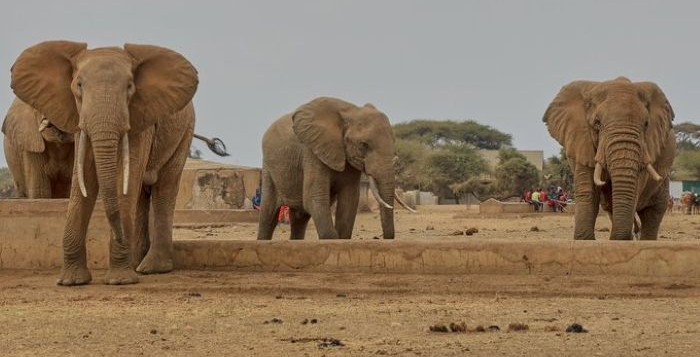
Kenya Wildlife Service (KWS) is investigating the deaths of 15 elephants in the Amboseli savannah ecosystem, near the border with Tanzania. KWS said that some preliminary laboratory investigations have found a toxic substance in the dead elephants. The animals were found between June 24 and July 24, 2026, at the Kimana Sanctuary and Kuku Ranch, an area at the crossroads between three national parks in southern Kenya. The area surrounding Kimana is heavily dominated by tomato farming. Researchers from the Route to Food Initiative — a Kenyan food-safety programme — have previously sounded the alarm on the use of cyanide substances on local crops. Findings suggest that the elephants died after eating tomatoes contaminated with cyanide. This region has a history of intense human-wildlife conflict where farmers have previously been accused of poisoning elephants to protect their crops.
According to wildlife officials, 10 of the elephants showed signs of partial paralysis, leaving them unable to stand before they died. It is a critical symptom that points directly towards toxic poisoning. Intrigued investigators note that the casualties were almost strictly adult females and their calves with only a single adult male among the dead.According to information,some elephants were equipped with tracking devices, and authorities were alerted to the deaths when the tracked animals stopped moving.
The International Fund for Animal Welfare has described the incident as deeply alarming, warning that it highlights a critical need for continued investment in science, wildlife monitoring, and collaborative conservation efforts. Kenya has previously recorded cases of elephants being poisoned due to poaching and conflicts between wildlife and communities. Across Africa, elephant populations have faced serious threats from ivory poaching, habitat loss and increasing pressure from human expansion. Kenya has made significant progress through stronger conservation measures, including anti-poaching laws, increased ranger patrols, wildlife monitoring technology, and G.P.S. tracking of elephants. These efforts have helped the country’s elephant population recover in recent years. However, as farms and settlements expand, conflicts between people and wildlife are increasing.
















Related Items
Rs 7.5 lakh compensation for unnatural deaths in jail: Delhi govt
RTI activist seeks probe into finances of Dipke's father, fund for CJP
Gujarat Ayurved University orders probe into alleged BAMS paper 'leak'