 Newsinc24 Team
 El Niño is intensifying and will peak between November 2026 and January 2027. According to INCOIS bulletin, high sea surface temperatures in the Indian Ocean will last until April–May 2027, stressing the northern Indian Ocean, including the Arabian Sea and Bay of Bengal.This may cause coral bleaching, more marine heatwaves, and fewer sardines and mackerel due to migration or reduced recruitment of young fish. Fish growth may also suffer.
The bulletin warns that the Bay of Bengal will have rough seas during the monsoon, raising the risk of coastal erosion and flooding along the east coast. The Arabian Sea and the west coast are likely to remain calmer, helping maritime operations and reducing the risk of flooding.
The marine ecosystem in the northern Indian Ocean (both Arabian Sea and the Bay of Bengal) is likely to be under thermal stress in the coming months, especially during March-May 2027. This can lead to increased bleaching of coral reefs, more episodes of marine heat waves and reduction in the fish catch (particularly sardine and mackerel species) due to migration of fish stock to suitable habitats or due to decrease in the recruitment. Further, the fish may not reach the desired sizes due to changes in the marine environmental conditions related to the developing El Nino.
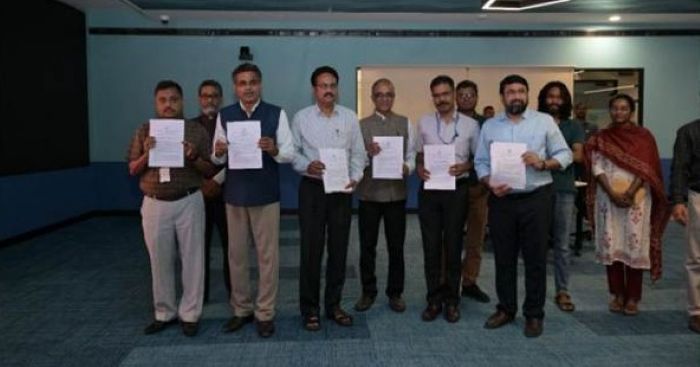
INCOIS started releasing Specialized El Nino Bulletins to highlight the possible impacts of the ongoing El Nino on the Maritime Sectors. The first specialized bulletin was released by Konda Vishweshwar Reddy MP, Chevella Constituency on 22nd June 2026. INCOIS advises all maritime operators to closely follow the alerts, warnings and advisories issued by INCOIS from time to time.


Related Posts
US marks its 250th Independence amid storm, heatwave & fireworks
Severe heatwave scorches Eastern US
India-Israel Bilateral Investment Agreement takes effect from July 4