 Ira Singh
Representatives from 196 countries and the European Union will gather in Panama from December 1 to 5 for the 23rd session of the Committee for the Review of the Implementation of the Convention (CRIC 23) under the United Nations Convention to Combat Desertification (UNCCD). The high-level meeting will bring together around 500 delegates from governments, civil society, and academia to evaluate global progress in combating desertification, land degradation, and drought.The UNCCD, one of the three Rio Conventions alongside those on biodiversity and climate, provides a global framework for sustainable land management and drought resilience. The CRIC23 session will focus on assessing progress made by signatories in meeting the Convention’s objectives and advancing the 2030 targets for land restoration and degradation neutrality.
A signatory to the UNCCD since 1996, Panama has set ambitious goals to achieve Land Degradation Neutrality by 2030. The country has identified 31 critical hotspots and is implementing extensive reforestation and Dry Corridor adaptation programs. Hosting CRIC23 underscores Panama’s growing leadership in global environmental governance, particularly after experiencing its driest year on record in 2023 when water shortages disrupted traffic through the Panama Canal, exposing how local droughts can have global repercussions.
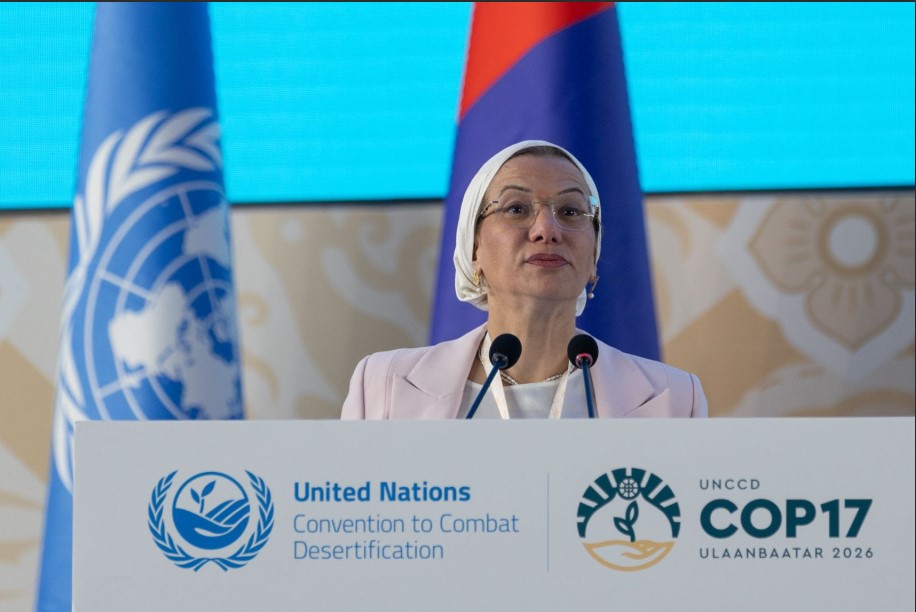
Minister of Environment Juan Carlos Navarro emphasized Panama’s pivotal role, stating, “Never before has a country hosted, in the same year, the three major United Nations environmental conventions on climate, biodiversity, and desertification. With this, Panama reaffirms its commitment to conserving nature and advancing sustainable development, while once again calling for the integrated management of these three pillars to confront the planetary crisis and build a resilient future for our communities.”UNCCD Executive Secretary Yasmine Fouad highlighted the urgency of action, noting that “severe droughts and the loss of fertile land are already straining food and energy production, uprooting rural communities, and threatening livelihoods worldwide.” She added that Latin America and the Caribbean are particularly vulnerable, with over 20 percent of the region’s land degraded.
The conference will also underscore gender inclusivity, spotlighting the role of women particularly Indigenous women in sustaining food systems and leading local adaptation efforts despite being among those most affected by land degradation.According to recent UNCCD findings, the planet is losing nearly 100 million hectares of healthy land each year, while more than 70 percent of global land areas have become drier over the past three decades. Meeting global land restoration targets will require investments of around USD 1 billion per day until 2030 a fraction of current spending on environmentally harmful subsidies.The five-day meeting at the Panama Convention Centre will feature reviews of national progress, discussions on the post-2030 strategic framework, and engagement with youth, Indigenous Peoples, and local communities. Key initiatives including the Panama Nature Pledge and several major reports are expected to be launched, reinforcing collective global commitment to land restoration, drought resilience, and sustainable land management.
(Asstt.Editor)









Related Items
Mongolia welcomes Silk Road Caravan ahead of UNCCD COP17
BRICS Nations adopt Joint Education Declaration with focus on AI, skills
BRICS Nations adopt Joint Declaration for industrial cooperation