 Inder Vashisth
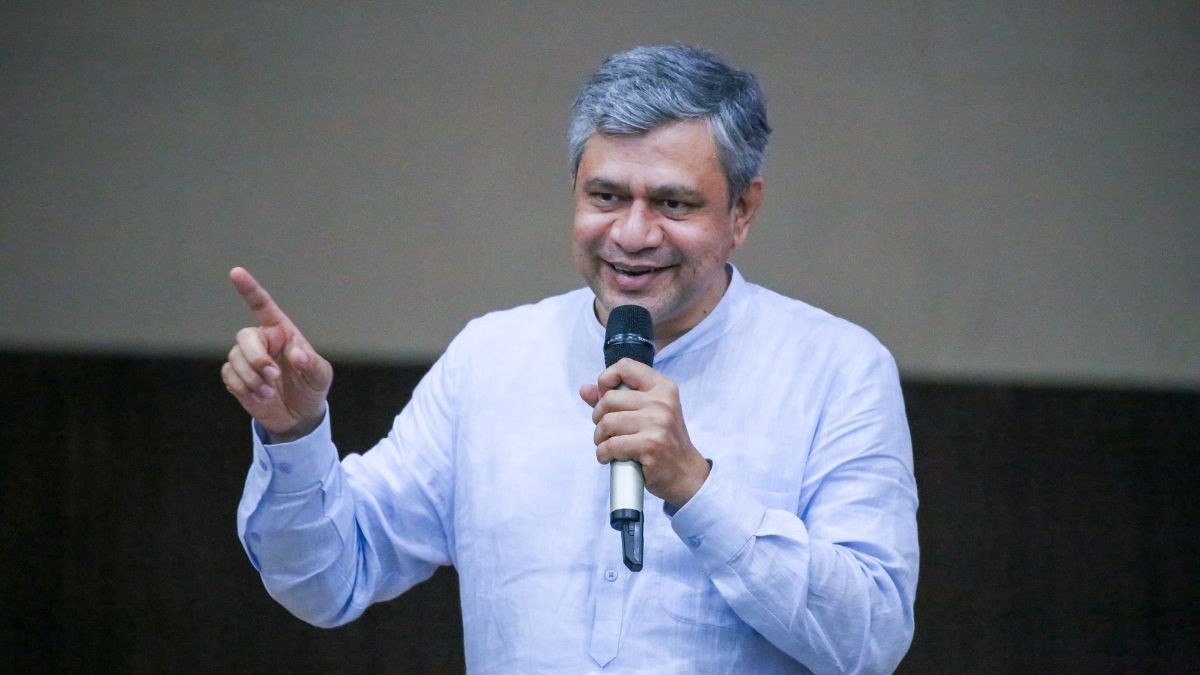
The Union Cabinet on Wednesday approved the continuation of the Centrally Sponsored Scheme for Fast Track Special Courts (FTSCs), including exclusive POCSO Courts, for another five years, from April 1, 2026, to March 31, 2031. The extended scheme has a total financial outlay of Rs3,788.04 crore, comprising a Central share of Rs2,353.15 crore and a State and Union Territory share of Rs1,434.89 crore. The Central government’s contribution will be funded through the Nirbhaya Fund. Under the scheme, the government plans to operationalise up to 850 Fast Track Special Courts across participating States and Union Territories, an increase from the existing 779 courts. The expansion will be based on the pendency of rape and offences under the Protection of Children from Sexual Offences (POCSO) Act, 2012, across different districts. Briefing media this afternoon in New Delhi, Information and Broadcasting Minister Ashwini Vashnaw said each court will have a dedicated Judicial Officer, a Special Public Prosecutor and six support staff to facilitate the speedy disposal of pending cases. The scheme aims to ensure time-bound trials, reduce the backlog of sexual offence cases and provide a victim-centric judicial environment, particularly for women and children.
Cabinet approves the continuation and expansion of the Fast Track Special Courts (FTSCs) to 850 courts to ensure faster justice in cases of rape and child sexual abuse. The Government is committed to addressing any social challenges or vulnerabilities that lead to atrocities against women or affect the well-being of our future generations. This includes making new laws wherever necessary and improving their implementation. -Union Minister @AshwiniVaishnaw #CabinetDecisions
— PIB India (@PIB_India) November 4, 2026
The Union Cabinet has approved a 92 Gigawatt-hour energy storage scheme to further strengthen India’s clean energy programme. The scheme will comprise 30 gigawatt-hours of battery storage, 60 Gigawatt-hour of pumped storage and two Gigawatt-hour for emerging energy storage technologies. He said the scheme will be implemented in collaboration with state governments, ensuring equitable distribution of storage capacity across the country. Mr Vashnaw said India has set new global standards in the deployment of clean energy and added that nearly 52 per cent of the country’s power generation capacity now comes from non-fossil fuel sources.
Cabinet also approved the ‘Viksit Bharat Initiative for Statistical Transformation, Analytics & Research, VISTAR Scheme for 2026-27 to 2030-31 with an outlay of over 4,371 crore rupees. The VISTAR Scheme is designed to establish a dynamic, real-time and future-ready official statistical architecture for enhanced timeliness, data granularity, interoperability with harmonised and AI-ready datasets. It will provide the strategic flexibility to dynamically allocate resources based on immediate policy needs, fostering a holistic approach to large-scale survey execution, methodological research, digital transformation, and national data governance. VISTAR Scheme will encompass all statistical and data management activities of Ministry of Statistics and Programme Implementation. It will play a crucial role for upgrading the official statistical system of the country. The Cabinet has also approved the ‘Capex Support Scheme to Promote Critical Mineral Processing’ with a financial outlay of two thousand 814 crore rupees over a period of five years.


Related Posts
Cabinet extends Agniveer service by 2 years
Assam cabinet recommends CBI probe into July floods
24 NC MLAs raise demands against Omar Abdullah amid cabinet rejig