 Newsinc24 Team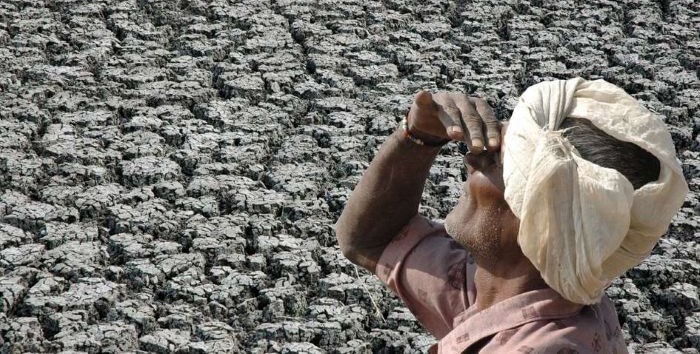
Food and Agriculture Organisation of the United Nations (FAO) and World Meteorological Organization (WMO) jointly released a report titled “Extreme Heat and Agriculture”, which said that rising temperatures and extreme heat are reducing food production and incomes in agrifood systems that 1.23 billion people rely on. It also warned that agricultural yield losses can triple when heat combines with other hazards such as drought and are projected to get much worse as the world warms.
The report further said that extreme heat is emerging as one of the most urgent and least understood threats to agriculture and food security. It said that rising temperatures, prolonged heatwaves, and shifting climate patterns are already disrupting crop yields, livestock health, water availability, and rural livelihoods – with impacts falling disproportionately on the most vulnerable.
The only durable solution to protect the future of global agrifood systems from the escalating threat of extreme heat lies in ambitious, multilateral climate change mitigation, it said. The findings of this report make clear that building the resilience of agrifood systems requires coordinated and sustained action. According to report, the fingerprints of extreme heat on agriculture are already visible worldwide. The analysis of scientific evidence and case studies presented in this report confirms that heat is driving significant productivity losses. For example, yields of staple crops like maize and wheat have declined by 7.5 and 6.0 percent per 1 °C of warming and are projected to decline by up to an additional 10 percent for every 1 °C of warming in the future.
The FAO/WMO report pays particular attention to how heat affects human beings. Along with heavy sweating, symptoms of heat exhaustion include weakness, muscle spasms and dizziness. For every degree above 20 degrees, labour productivity is said to drop by two to three percent. According to the 2025 Lancet Countdown report, global heat-related mortality rose from an estimated 335 000 deaths annually in 1990–1999 to 546 000 annually in 2012–2021, an increase of more than 60%. FAO and WMO jointly released a report titled “Extreme Heat and Agriculture” on Tuesday.

















Related Items
Airstrike on a Buddhist monastery kills 14 in Myanmar: Report
When the Monsoon Changed India's ancient rhythm in an age of extreme weather
Red Fort attack 'officially attributed' to Al-Qaeda: UN Report