 Ira Singh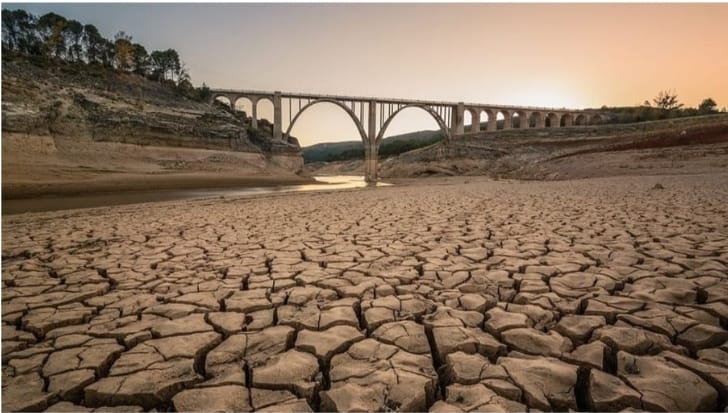
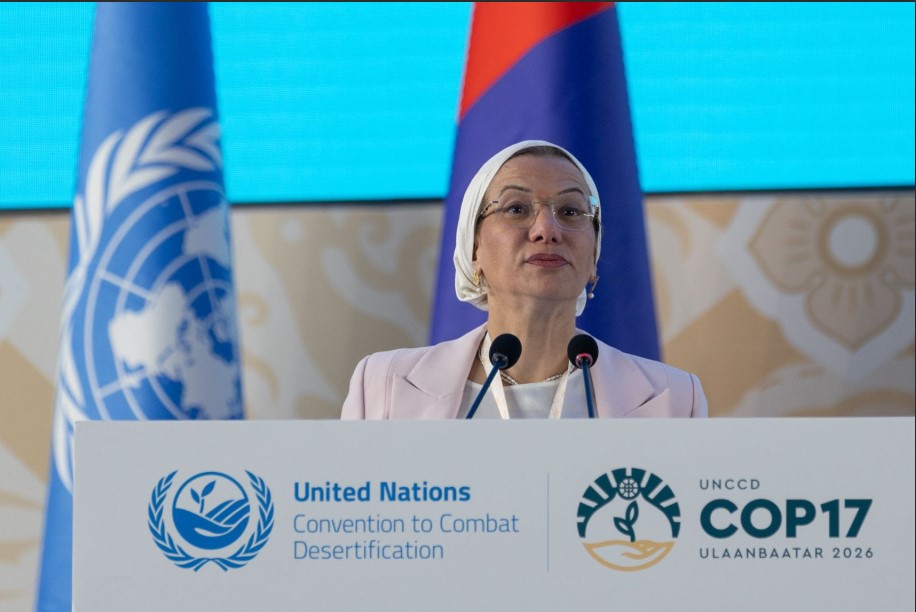
The Presidencies of the United Nations Convention to Combat Desertification (UNCCD) COP16 (Saudi Arabia) and COP17 (Mongolia) came together in New York on Thursday to drive momentum for global land restoration and drought resilience. The joint high-level event, held on the sidelines of the UN General Assembly, brought together ministers, international organizations, financial institutions, and private-sector partners to highlight the urgent need for investment and partnerships.Land degradation affects up to 40 percent of the world’s land and jeopardizes food and water security for nearly half of humanity. Unsustainable food systems remain the leading cause of deforestation and biodiversity loss, while droughts up nearly one-third since 2000 inflict more than $307 billion in annual damages. If current trends persist, three-quarters of the global population could be affected by drought by 2050, with developing nations suffering the most severe consequences.
According to information,at the event, leaders emphasized the critical role of finance and innovation in turning commitments into tangible action. Currently, private-sector contributions account for just 6 percent of global funding for land restoration and drought resilience. Saudi Arabia’s COP16 Presidency highlighted the launch of the Riyadh Global Drought Resilience Partnership in 2024, which mobilized over $12 billion in pledges. Mongolia’s COP17 Presidency underscored its vision to spotlight rangelands and pastoralist communities in 2026, coinciding with the International Year of Rangelands and Pastoralists.
Osama Faqeeha, Deputy Minister of Environment, Water and Agriculture of Saudi Arabia, stressed the need to build on past momentum: “Today we are working hand in hand with Mongolia, UNCCD and partners around the world to ensure that pledges translate into action protecting people, economies and ecosystems from the impacts of land degradation and drought.”Echoing this, Mongolia’s Foreign Minister Battsetseg Batmunkh called for a new financial approach: “Traditional investment instruments are no longer sufficient. We need results-based financial tools that reward measurable outcomes whether restored rangelands, improved water retention, or reduced drought losses.”The event showcased innovative financing mechanisms, including the Drought Resilience Investment Facility (DRIF), developed with Luxembourg to attract private-sector capital, alongside blended finance, insurance models, and bankable land-restoration projects.
Andrea Meza, Deputy Executive Secretary of the UNCCD, underlined the wider benefits of land action: “Land restoration and drought resilience are building blocks of peace, prosperity, and sustainable development. With strong leadership and private-sector engagement, we have a unique opportunity to scale solutions that protect our land, climate, and future.”Delivering the keynote, André Hoffmann, Interim Co-Chair of the World Economic Forum, said: “Nature is not just another resource it is the foundation of all prosperity. The path forward is a new nature of business: governments, companies, and citizens working together to restore land, safeguard water, and build resilience.”Closing the gathering, leaders reaffirmed that advancing land restoration and drought resilience is not only an environmental imperative but also essential for food and water security, stronger local economies, and global climate stability.
(Asstt.Editor)









Related Items
Mongolia welcomes Silk Road Caravan ahead of UNCCD COP17
BRICS Nations adopt Joint Education Declaration with focus on AI, skills
BRICS Nations adopt Joint Declaration for industrial cooperation