 Newsinc24 Team
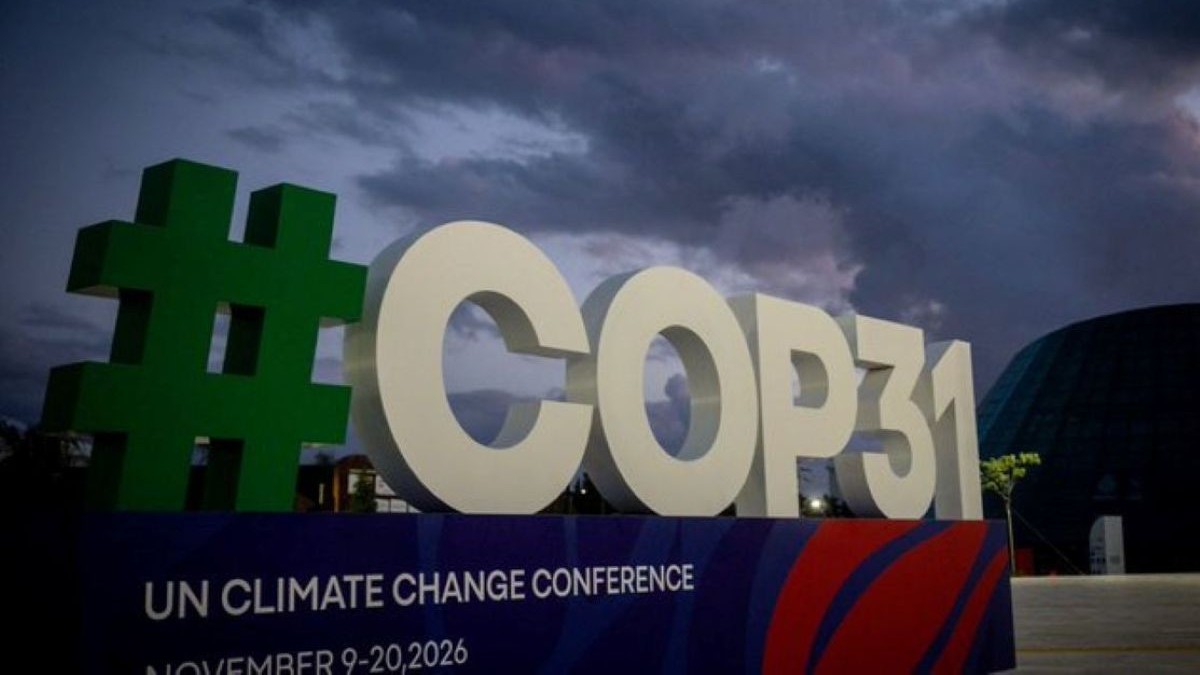
The COP31 climate summit in Antalya, Turkiye, ended on Sunday without a final deal due to disagreements on a stronger commitment to transition away from fossil fuels and securing new, quantified climate finance pledges. UN chief António Guterres called the outcome “deeply disappointing. Even though the talks stretched for two days after the scheduled closing, no consensus could be reached on the agreement at the United Nations Climate Change Conference (UNCCC). The last time talks collapsed at a UN climate conference was in 2000 in The Hague, the Netherlands.
The EU and a bloc of countries rejected a final draft that didn't mention fossil fuels once, not coal, not oil, not gas. Two weeks of negotiating, zero agreement. The COP president Simon Stiell himself admitted there was no consensus in the room.
“The world cannot afford a repeat of this moment. Our process, including the rulebook and precedents, is designed to bring almost 200 countries together. As we have seen repeatedly over the past decade, that delivers results,” the UNFCCC executive secretary said. “Clearly there is also scope to improve, modernise and reform. But not only because of what happened here,” he said. The failure to reach a consensus on the final agreement at COP31 comes at a time when the global temperature rise is set to exceed 1.5 degrees Celsius above pre-industrial levels.
Union Environment Minister Bhupender Yadav said India engaged constructively and tirelessly till the very end and the country regretted that a consensus on the final draft agreement could not be reached. “The absence of a final agreement does not pause climate action. India continues to deliver at home, with over 170 GW of solar capacity, and remains committed to consensus-based multilateralism on the road to COP32,” he said in a post on X. India highlighted that there had been a refusal to engage on the issue of climate finance across different negotiation rooms during COP31.
“We were told that despite the increasing needs of developing countries due to a problem that we have not caused, we should not expect our developed country partners to even engage on the issue of climate finance, since it was ‘dead in the water’,” India said while delivering a statement on behalf of the LMDC. The statement also pointed out that the final draft agreement did not adequately reflect the principles of equity and Common but Differentiated Responsibilities and Respective Capabilities (CBDR-RC).



Related Posts
CII lists 15 priority reforms to finance $26.5 trillion economy in 2047
India calls for climate justice, equity & fulfilment of finance commitments
India, Sweden launch LeadIT 3.0 at COP31; Brazil joins initiative