 Newsinc24 Team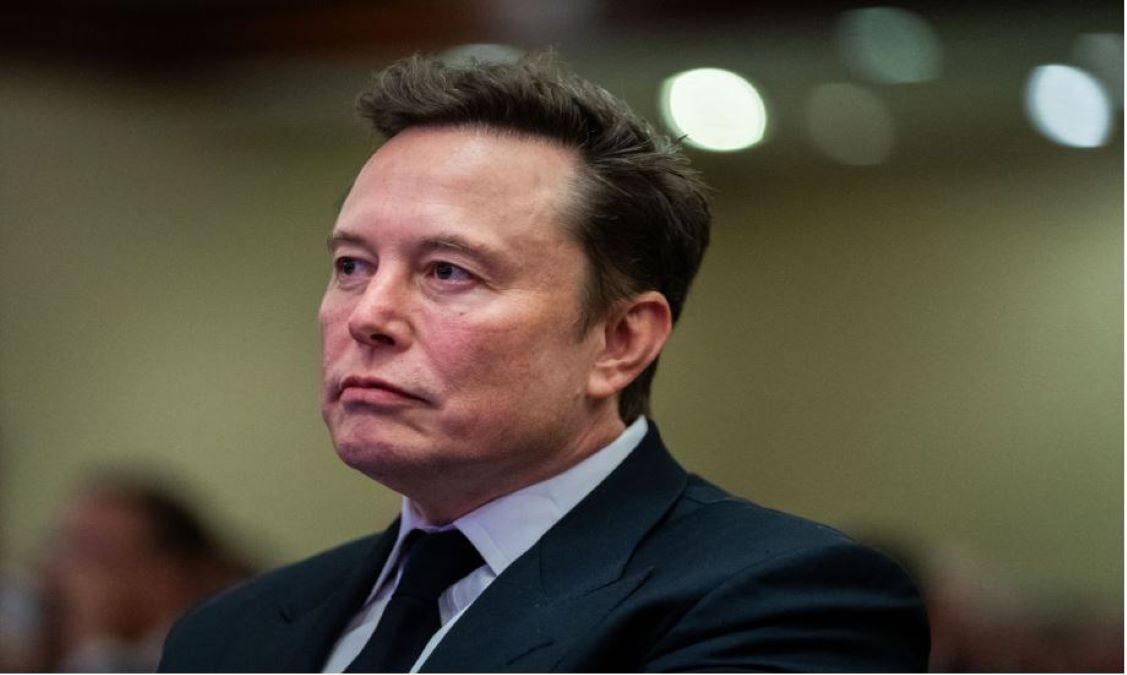
SpaceX and Tesla CEO Elon Musk envisions a future where almost all computing infrastructure could eventually move into space, as Google prepares to test its Project Suncatcher initiative aimed at developing AI computing infrastructure in orbit.Musk made the comment while sharing a video featuring Google Senior Director of Paradigms of Intelligence Travis Beals. “The amount of compute in space will obviously round up to 100% of all compute,” Musk said.
The amount of compute in space will obviously round up to 100% of all compute https://t.co/BJJhy1JQ1t
— Elon Musk (@elonmusk) September 24, 2026
According to agency reports,earlier, on September 13, Musk said he was “highly confident” that SpaceX would launch Nvidia VR NLV72 AI computers into space in 2027.The plan is linked to SpaceX’s Starmind concept, which envisions AI data centres operating in orbit. The concept involves satellites equipped with localised computing capabilities that could use solar power and space-based cooling, while transmitting data through high-bandwidth laser links to the Starlink constellation.
Meanwhile, Google on Thursday announced that Project Suncatcher is set to conduct its first orbital test, with a prototype satellite scheduled to launch aboard a SpaceX Falcon 9 rocket on October 1.According to Google, Project Suncatcher is a long-term research project exploring whether space could eventually support scalable machine-learning infrastructure. Satellites in low Earth orbit can receive near-continuous sunlight, potentially generating up to eight times more solar power than comparable solar installations on Earth.Google said multiple satellites could eventually be linked into constellations, allowing them to handle increasingly large AI workloads while operating in orbit.
Explaining the project, Beals said the team initially explored why the concept might not work before determining that orbital AI infrastructure was technically possible.
“At its smallest level, you’ll have an individual satellite that will have dozens of TPU chips,” Beals said in the video shared by Musk. He added that larger AI workloads could eventually be handled by multiple satellites linked together and operating in clusters.Beals also highlighted dawn-dusk orbits as particularly suitable for the project because solar panels in such orbits can receive sunlight for almost 24 hours a day.“The sun is the ultimate energy source in our solar system,” Beals said, explaining that the project is examining how solar energy can be scaled efficiently through space-based infrastructure.
Google stressed that developing space-based AI computing will be a gradual process. The initial mission is intended to test the technology, identify potential failure points and use the findings to guide future missions.The proposed approach reflects growing interest among technology and space companies in moving AI computing beyond conventional terrestrial data centres, particularly as demand for computing power and electricity continues to rise.


Related Posts
Ireland fines Google 403m Euros for location data breach
Shehzad Bhatti network declared a terrorist organisation under UAPA
US-Sri Lanka agents busts Pakistan drug network, 463 kg meth seized