 Newsinc24 Team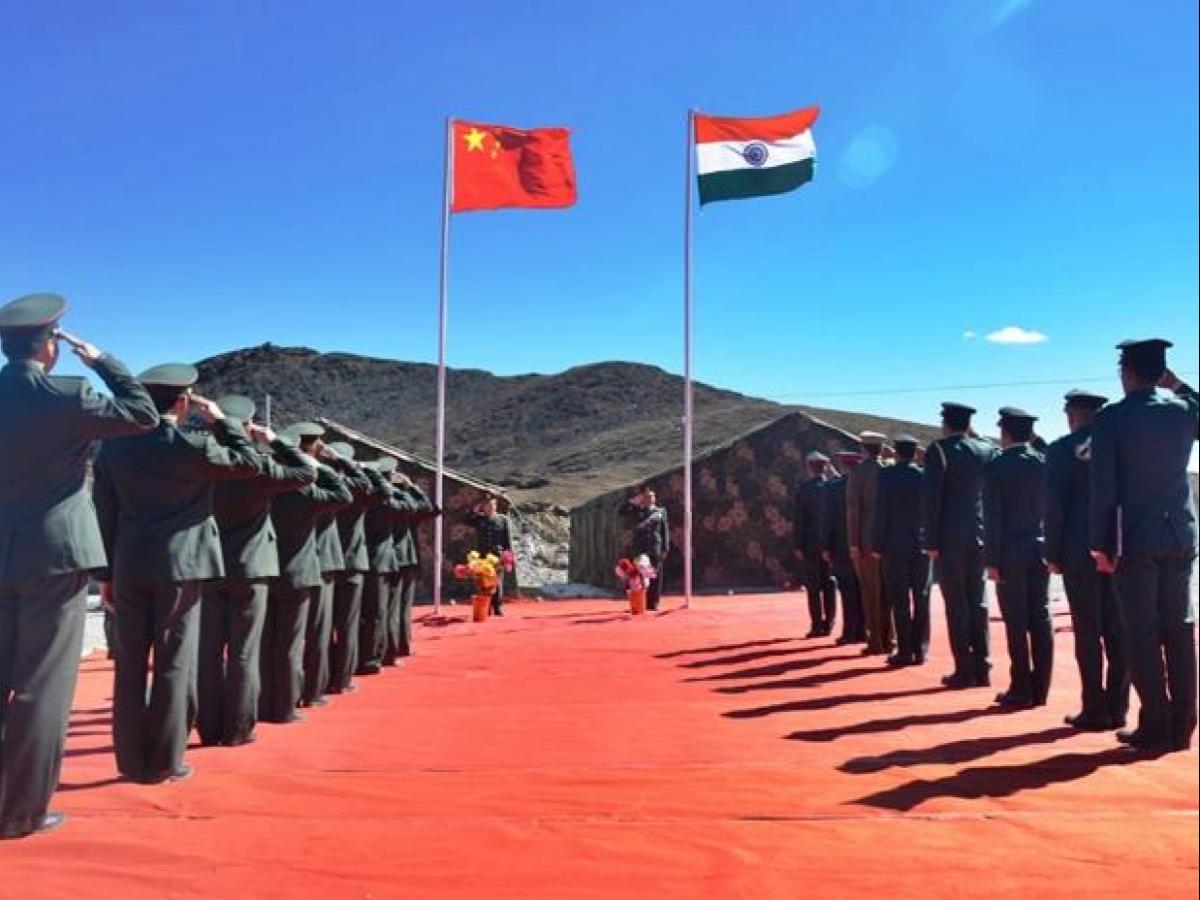
China passed a new law, the first in the country's modern history to deal explicitly with how it patrols its massive 22,100-kilometer land border with 14 other countries.The country's national legislature on Saturday adopted a new law on the protection and exploitation of the land border areas, state-run Xinhua news agency reported. The law, which becomes operational from January 1 next year, stipulates that "the sovereignty and territorial integrity of the People's Republic of China are sacred and inviolable", it said. The state shall take measures to safeguard territorial integrity and land boundaries and guard against and combat any act that undermines territorial sovereignty and land boundaries, the report said.
According to the text of the law, China's People's Liberation Army will be allowed to counter any "invasion, encroachment, infiltration, [or] provocation" that occurs on any of the country's borders and provides a legal framework for hard border closures if Beijing sees fit. The law also stresses that in the case of border disputes, all diplomatic efforts should first be exhausted before the military is deployed, according to Chinese state media, which also praised the law it says will benefit those who live near the border. The state shall, following the principle of equality, mutual trust and friendly consultation, handle land border-related affairs with neighbouring countries through negotiations to properly resolve disputes and longstanding border issues, it said.
India and Bhutan are the two countries with which China is yet to finalise the border agreements. While India-China border disputes cover 3,488-km along the Line of Actual Control, China-Bhutan dispute covers about 400 km. The new land border law was adopted amid the continued standoff between Indian and Chinese militaries in eastern Ladakh.















Related Items
India to build 100 new airports in 10 years under UDAN: Naidu
India can grow beyond 8%, says World Bank’s Ajay Banga
SCO Bishkek Declaration reflects India's counter-terror priorities: MEA