 Veerendra Bhargava
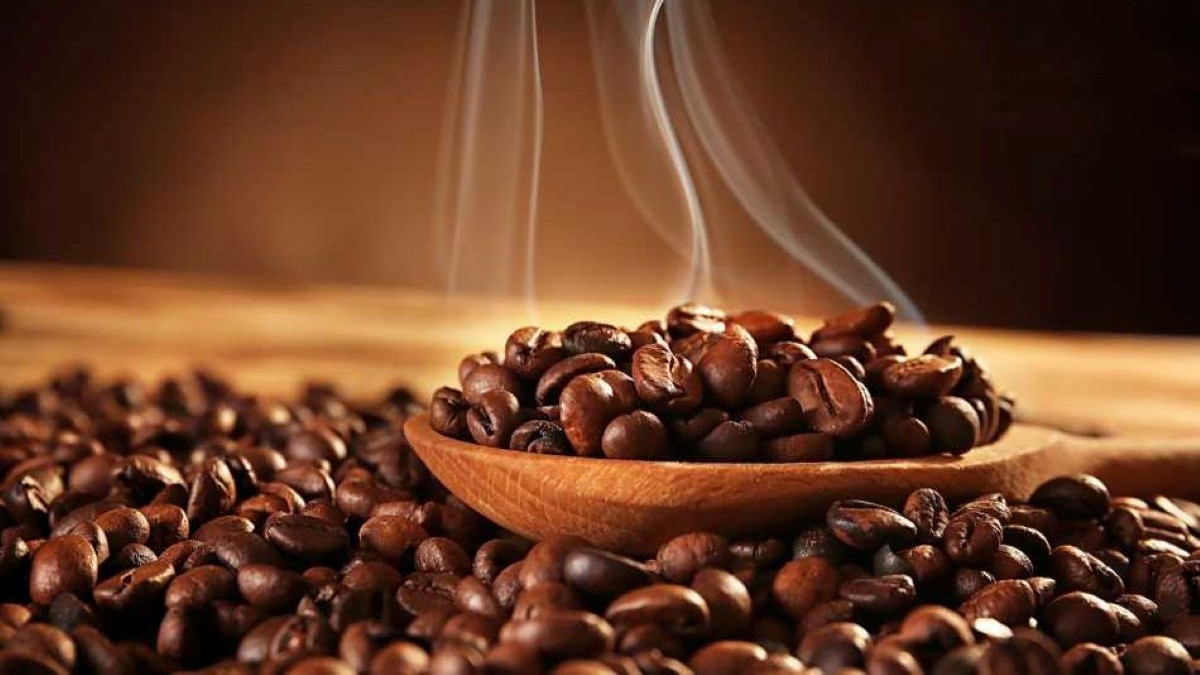
India's coffee story is one of remarkable evolution - from humble plantation beginnings to a sophisticated industry driving livelihoods, sustainability, and global acclaim. What started nearly four centuries ago in the lush hills of Chikkamagaluru has transformed into a vibrant ecosystem of specialty beans, farmer-driven excellence, and strong export momentum.
A Legacy Rooted in Heritage
India's journey with coffee began around 1600 AD, when Sufi saint Baba Budan is believed to have clandestinely transported and planted seven precious coffee seeds from Yemen's Mocha port to the Baba Budan Giri hills in Karnataka. Initially grown as a garden crop, coffee soon spread across southern India. By the 18th century, commercial estates emerged, laying the foundation of a thriving industry.
Today, Indian coffee stands out globally for its unique two-tier shade-grown cultivation system, where coffee thrives beneath evergreen and nitrogen-fixing canopy trees. This environmentally conscious model not only protects biodiversity but enhances flavour complexity.
Grown across 4.91 lakh hectares in the Western and Eastern Ghats and parts of the Northeast, the sector sustains over two million people - with 99% smallholder participation making it a backbone of the rural economy.
Alongside coffee, plantations grow pepper, cardamom, citrus fruits, and banana - turning estates into biodiverse spice gardens and strengthening farmer incomes.
India on the World Coffee Map
India ranks:
7th globally in production
5th in coffee exports
3.6 lakh tonnes annual output
70% exported to more than 120 countries
Robusta from India commands one of the highest price premiums internationally, while Indian Arabica is valued for its smooth character and distinctive profiles shaped by micro-climates.
Coffee Regions That Tell a Story
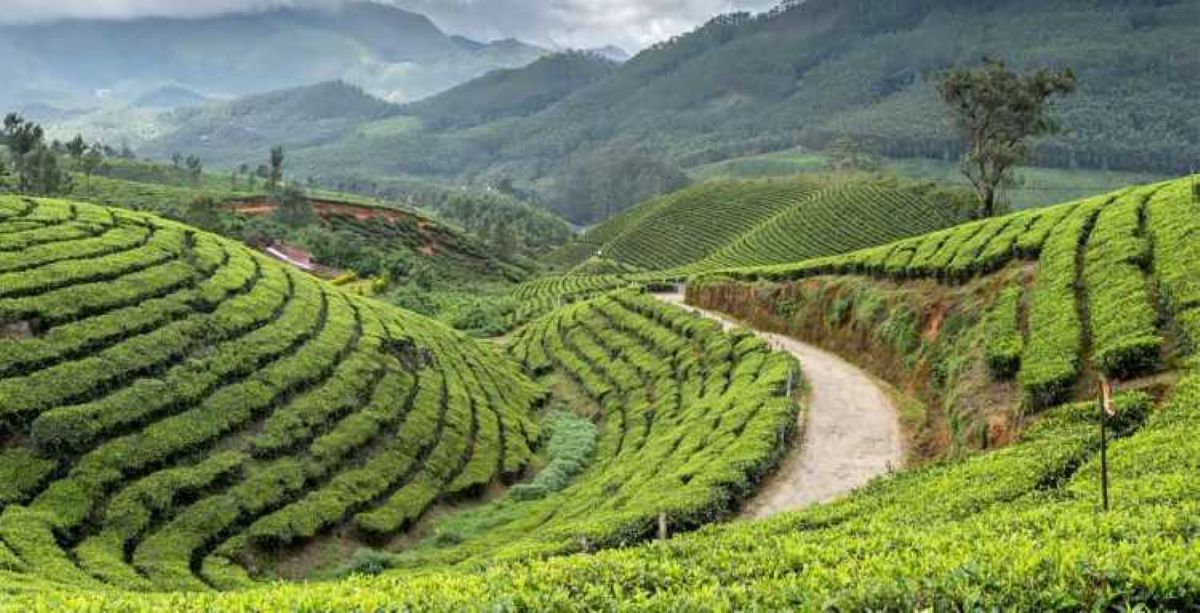 India's coffee belt spans 13 agro-climatic zones, across:
Traditional regions - Karnataka, Kerala, Tamil Nadu
Non-traditional regions - Andhra Pradesh & Odisha
North-Eastern states - Assam, Manipur, Meghalaya, Nagaland, Arunachal Pradesh, Tripura, Mizoram
Each region produces beans with signature aroma profiles - from the fruity acidity of Nilgiris to the creamy boldness of Wayanad's Robusta.
Several of these estates enjoy Geographical Indication (GI) tags - boosting brand value globally:
Coorg Arabica
Wayanad Robusta
Chikmagalur Arabica
Araku Valley Arabica
Bababudangiris Arabica
Monsooned Malabar Robusta (specialty)
Shaping Specialty Coffee Excellence
The specialty coffee movement has brought India into the global spotlight. Celebrated offerings include:
Monsooned Malabar AA - Soft, mellow, low-acid profile developed by exposure to monsoon winds
Mysore Nuggets Extra Bold - Extra-large beans, rich and full-bodied
Robusta Kaapi Royale - Superior crema and bold flavours suited for espressos
Indian planters have mastered selective picking, artisanal processing, and terroir expression - making specialty coffee a rising export luxury.
Coffee Board of India: The Backbone of Progress
Amid industry crisis during World War II, the Government of India passed the Coffee Act, 1942, establishing the Coffee Board under the Ministry of Commerce.
Its mission includes:
Research on high-yielding, disease-resistant varieties at CCRI
Productivity improvement and farmer support via ICDP
Marketing and export promotion
Enhancing domestic consumption
The Board actively showcases Indian coffee at global fairs and hosts The Fine Cup Competition - identifying world-class lots and linking growers with international buyers.
To nurture coffee culture at home, India Coffee Houses and national promotional campaigns make coffee more accessible and aspirational.
Strong Export Momentum
Despite global uncertainties, India's coffee exports crossed:
USD 1.8 billion in FY 2024–25 (a 40% jump YoY)
USD 1.07 billion in April–September 2025 (15.5% growth)
Top buyers include:
Policy Measure
GST reduced from 18%
→ 5% on instant coffee and extracts
India–UK CETA
India–EFTA TEPA
Impact
Boost domestic consumption and small processors' profitability
Zero duty access to premium Swiss & Nordic markets
Italy
Germany
Belgium
Russia
UAE
Value-added instant coffee now contributes 38% of export volume - positioning India among leading producers worldwide.
Policy Winds Boosting the Sector
Several strategic reforms are propelling growth:
These agreements enhance competitiveness in high-value European markets and promote brand India Coffee.
Empowering Tribal Coffee Communities
In regions like Odisha's Koraput district, coffee is transforming lives. The Tribal Development Cooperative Corporation of Odisha Ltd. (TDCCOL) ensures:
Fair pricing through doorstep procurement
Direct bank transfers empowering financial inclusion
Full value-chain involvement: procurement to branding
The brand “Koraput Coffee” - showcased through cafés in Odisha and New Delhi - is now an award-winning specialty star, winning Fine Cup Awards in 2024.
This model demonstrates how coffee can fuel sustainable rural development and prevent distress migration.
Future Outlook: A Brew of Opportunity
India's coffee market is witnessing surging consumer interest - especially in cafés and out-of-home consumption.
Growth projections:
8.9% CAGR for the overall market by 2028
15–20% CAGR for café culture and coffee chains
Market value reaching USD 2.6–3.2 billion by 2028
The Coffee Board aims to scale national production to:
➡️ 9 lakh tonnes by 2047
Driven by innovation, premiumisation, and deeper domestic demand - the future looks robust and aromatic.
A Cup Worth Celebrating
From shade-grown ecological harmony to community empowerment, Indian coffee embodies sustainability with sophistication. Its rich heritage, evolving processing techniques, and emphasis on high-quality flavor profiles are positioning India among the world's most exciting coffee destinations.
As more consumers explore artisanal brewing and homegrown cafés reinvent experiences, India is not merely producing coffee - it is cultivating a global identity that is distinctive, bold, and rooted in culture. India's coffee renaissance is brewing stronger than ever - and the world is waking up to its aroma.
(This story has been published under arrangement from Better Kitchen magazine)

Related Posts
Oil PSUs question Karnataka's testing claims, defend E20 fuel quality
India surpasses US, Japan combined steel output, ranks 2nd globally
Govt relaxes passport, visa norms for select foreigners residing in India