 Uday Kumar Varma
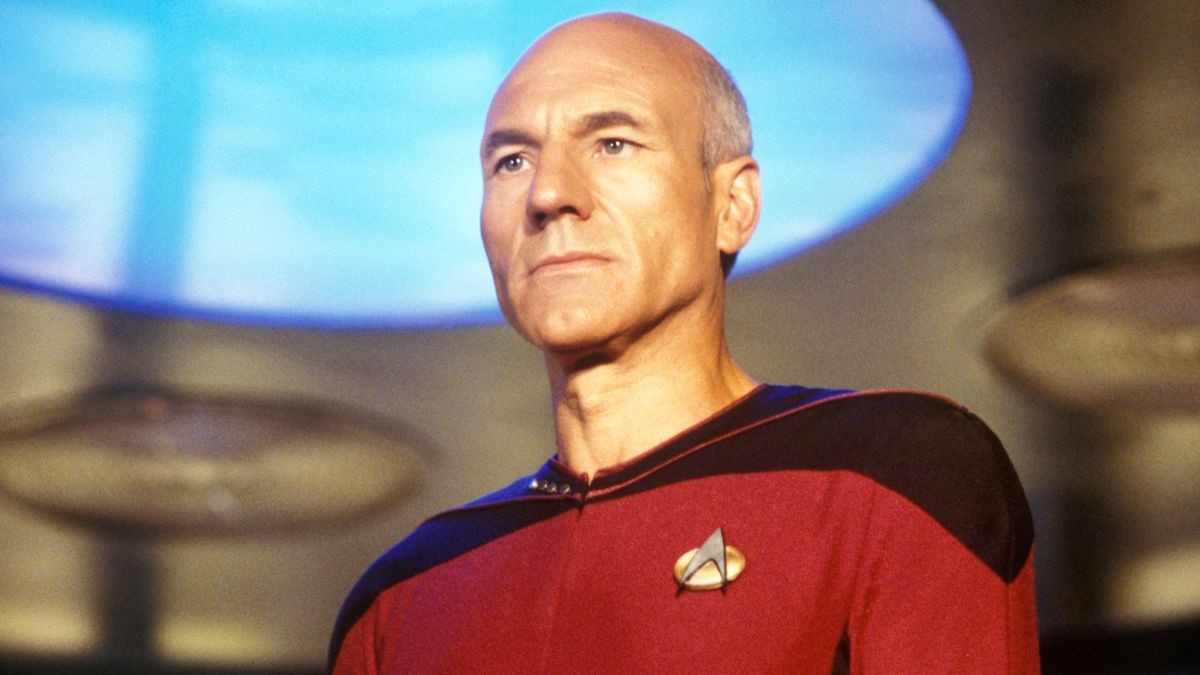
I first came to know Patrick Stewart through those television episodes of Star Trek: The Next Generation that once held audiences, young and old, in thrall. I remember watching him as Captain Jean-Luc Picard, at the helm of the starship Enterprise, guiding his crew through strange worlds and extraordinary encounters. There was something about the man that held one's attention. His deep, measured voice, commanding presence and remarkable composure gave the captain an authority that was never overbearing. One watched the adventures, certainly, but one also watched him. Over the years, my admiration for the actor grew into an affection for the person he seemed to be.
Stewart brought to Picard much more than a commanding presence. There was intelligence without arrogance, firmness tempered by compassion, and an abiding faith in reason and human dignity. A raised voice was seldom necessary; a pause, a measured sentence or the slightest change of expression could convey volumes. His familiar injunction, "Make it so", became almost a philosophy of purposeful action. He made one believe that even in an uncertain universe, wisdom and humanity could prevail.
What made him exceptional was his refusal to be confined to one iconic role. As Professor Charles Xavier in the X-Menfilms, he brought another fictional character to life with extraordinary sensitivity. The professor's physical vulnerability was matched by immense moral strength and an abiding belief in the possibility of coexistence among those who were different. Once again, Stewart made a fantastic world feel deeply human.
Behind these celebrated screen performances was an actor of formidable classical training. His long association with the Royal Shakespeare Company had given him an intimate understanding of language and the discipline of the stage. He was as convincing as Shakespeare's kings and tragic heroes as he was in the imagined worlds of science fiction and fantasy. He never abandoned the theatre, even as international fame came his way.
In 2010, Queen Elizabeth II conferred a knighthood on him for his services to drama — a distinction that acknowledged not merely his fame, but his extraordinary contribution to British theatre and the performing arts.
There was, however, more to admire than the actor. Stewart spoke openly about the domestic violence he had witnessed during his childhood and became a determined advocate against violence towards women. As an Ambassador for the International Rescue Committee, he also lent his voice to the cause of refugees and people displaced by conflict. He understood that public recognition carried with it a responsibility, and used his standing to draw attention to the suffering of others.
I shall remember him for his extraordinary command of his craft, but also for his bearing, his manners and that wonderfully engaging face. There was magnetism in his presence, but no need to advertise it; dignity, but never distance; charm, without the slightest hint of vanity. He seemed to carry his considerable achievements lightly.
A great actor leaves behind a gallery of performances. An exceptional one leaves characters who continue to live in our imagination, long after the curtain has fallen. Patrick Stewart leaves us both. Captain Picard will continue to command our affection, Professor Xavier will remain in our memory, and the actor who gave them such life will be missed.
Engage, Captain. You have earned your rest.
(Uday Kumar Varma is an IAS officer. Retired as Secretary, Ministry of Information & Broadcasting)



Related Posts
Actor Tiger Shroff unhurt after shots fired at his car, driver injured
Actor Imran Khan asked to leave India
Actor Nana Patekar passes away