 Ira Singh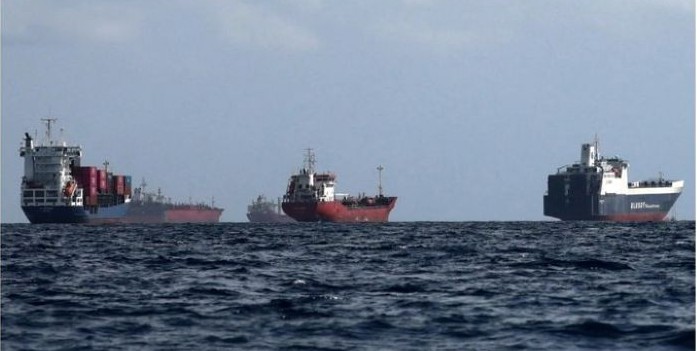
A little-known oil pipeline built nearly six decades ago through a covert partnership between Israel and pre-revolution Iran has re-emerged as a potential alternative export route for Saudi crude as escalating conflict in the Middle East threatens key global shipping lanes.
The renewed interest comes as repeated attacks by Yemen's Houthi rebels on Saudi oil infrastructure and commercial vessels in the Red Sea have exposed vulnerabilities in the Kingdom's energy export network. Recent strikes reportedly forced the shutdown of Saudi Aramco's 400,000-barrel-per-day Jazan refinery, while persistent security threats have complicated shipping through the Bab el-Mandeb Strait.Although Saudi Arabia's East-West Pipeline allows crude to bypass the Strait of Hormuz by transporting oil to the Red Sea port of Yanbu, tankers must still navigate the increasingly volatile Bab el-Mandeb chokepoint to reach European markets.
Analysts say Israel's 254-km Eilat-Ashkelon pipeline could offer an alternative route. Built in the late 1960s with Iranian funding and Israeli engineering, the pipeline connects the Red Sea to the Mediterranean, enabling crude arriving at Eilat to be transported overland to Ashkelon for onward shipment to Europe while bypassing both the Suez Canal and vulnerable maritime chokepoints.
The proposal has gained attention as Israel seeks to position itself as a regional energy transit hub. However, any such arrangement faces significant political hurdles, with Saudi Arabia maintaining that normalisation of ties with Israel remains contingent on progress toward a Palestinian state. Experts also point to infrastructure limitations and security risks that would require substantial investment before the route could handle large export volumes.Meanwhile, global oil prices eased on Thursday despite continuing geopolitical tensions. Brent crude futures fell 0.9% to $87.30 per barrel, while US West Texas Intermediate (WTI) crude declined 0.9% to $83.70 per barrel as oil shipments from the Middle East continued despite the widening US-Iran conflict.
The decline followed a sharp rally in the previous session, when concerns over possible disruptions to crude flows through the Strait of Hormuz pushed prices to their biggest single-day gains since the conflict began. Markets remain on edge as tensions persist, with investors closely monitoring developments around key energy corridors that are critical to global oil supplies.
(Business Correspondent)


Related Posts
India cuts edible oil import duty to lower prices ahead of festivals
Peace on border essential for business ties: Modi tells Xi In bilateral
BRICS Business Forum: Goyal seeks local currency trade