 Newsinc24 Team
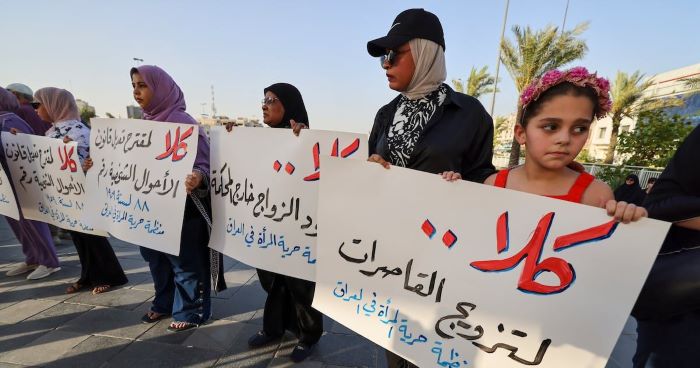
 A proposed bill in Iraq's parliament has sparked widespread outrage and concern, as it seeks to reduce the legal age of marriage for girls to just 9 years old. The controversial legislation, introduced by the Iraq Justice Ministry, aims to amend the country's Personal Status Law, which currently sets the minimum age for marriage at 18. The bill would allow citizens to choose between religious authorities or the civil judiciary to decide on family affairs. Critics fear this will lead to a slashing of rights in matters of inheritance, divorce, and child custody.
This potential legislative change has alarmed women’s rights activists and human rights organizations, raising concerns about the future of child marriage in the country. The proposed amendment to Iraq’s personal status law, spearheaded by Islamist Shiite parliamentarians, seeks to lower the legal age of marriage significantly. If enacted, this change could legalize child marriage, allowing girls as young as nine to be married.Human rights organizations, women's groups, and civil society activists have vehemently opposed the bill, warning of serious consequences for young girls' education, health, and well-being. They argue that child marriage leads to increased dropout rates, early pregnancies, and a heightened risk of domestic violence.
According to the United Nations children's agency, UNICEF, 28 percent of girls in Iraq are already married before the age of 18."Passing this law would show a country moving backward, not forwards," Human Rights Watch (HRW) researcher Sarah Sanbar said.Proponents of the bill claim it aims to standardize Islamic law and protect young girls from "immoral relationships." However, opponents counter that this reasoning is flawed and ignores the harsh realities of child marriage.By giving power over marriage to religious authorities, the amendment would "undermine the principle of equality under Iraqi law," Sanbar of HRW said.
Iraq’s existing personal status law, enacted in 1959, is recognized as one of the most progressive in the Middle East regarding women’s rights. The law sets the legal age of marriage at 18 for both genders, aligning with international standards for protecting children and promoting gender equality. It also prohibits polygamy and allows for interfaith marriages without restrictions. Additionally, the law provides significant protections for women, including the right to refuse to live with a husband who fails to provide suitable housing and care.















Related Items
Girls top UP Board's Class 10th and 12th exams
An unfinished fight against child marriage in Madhya Pradesh
Girls outshine Boys in CBSE Class 10 Board exam results