 Newsinc24 Team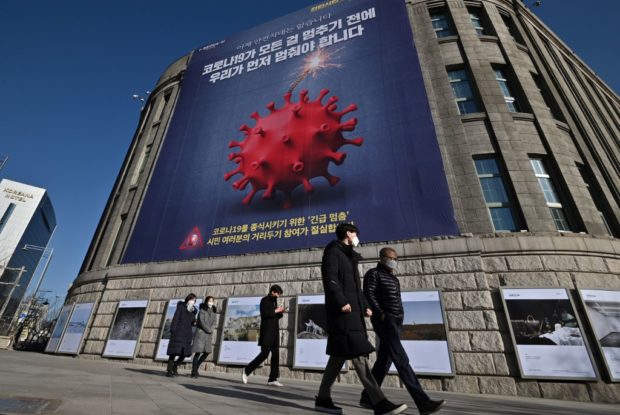
The United Nations has cautioned against relaxing pandemic-related measures and predicted that Covid-19 appears likely to develop into a seasonal disease. However, these are simply based on meteorological factors. In its first report, an expert team tasked with trying to shed light on one of those mysteries by examining potential meteorological and air quality influences on the spread of Covid-19, found some indications the disease would develop into a seasonal menace.
The 16-member team set up by the UN' World Meteorological Organization pointed out that respiratory viral infections are often seasonal, "in particular the autumn-winter peak for influenza and cold-causing coronaviruses in temperate climates." "This has fuelled expectations that, if it persists for many years, Covid-19 will prove to be a strongly seasonal disease," it said in a statement. Modelling studies anticipate that transmission of SARS-CoV-2, the virus that causes Covid-19 disease, "may become seasonal over time". The experts, who focused only on outdoor meteorology and air quality conditions in the report, said laboratory studies had provided some evidence the virus survives longer in cold, dry weather and when there is low ultraviolet radiation. But it remained unclear whether meteorological influences "have a meaningful influence on transmission rates under real world conditions".
But Covid-19 transmission dynamics so far appear to have been influenced mainly by government interventions like mask mandates and travel restrictions, they said, rather than the weather.The task team therefore insisted that weather and climate conditions alone should for now not be the trigger for loosening anti-Covid restrictions. "At this stage, evidence does not support the use of meteorological and air quality factors as a basis for governments to relax their interventions aimed at reducing transmission," said task team co-chair Ben Zaitchik of the earth and planetary sciences department at The John Hopkins University in the United States. He pointed out that during the first year of the pandemic, infections in some places rose in warm seasons, "and there is no evidence that this couldn't happen again in the coming year". They also highlighted that evidence around the impact of air quality on the virus remained "inconclusive".










Related Items
Putin warns of COVID-scale global impact from Gulf conflict
Amit Shah reiterates end of Naxal menace by March end
1st leg of Khelo India Winter Games 2026 begins in Leh